



The Universal Reformed Christian Church, commonly referred to as NKST, has voiced opposition to the Federal Government’s proposed pilot ranching program in Benue State. The church insists that the priority should be on resettling displaced communities before starting new livestock initiatives.
According to the church, 5,987 of its members have been killed and 753 places of worship destroyed in attacks attributed to armed herdsmen in Benue and neighboring states. These statistics were shared in a statement by Rev. Ta Targba, General Secretary of the NKST Synod Executive Committee.
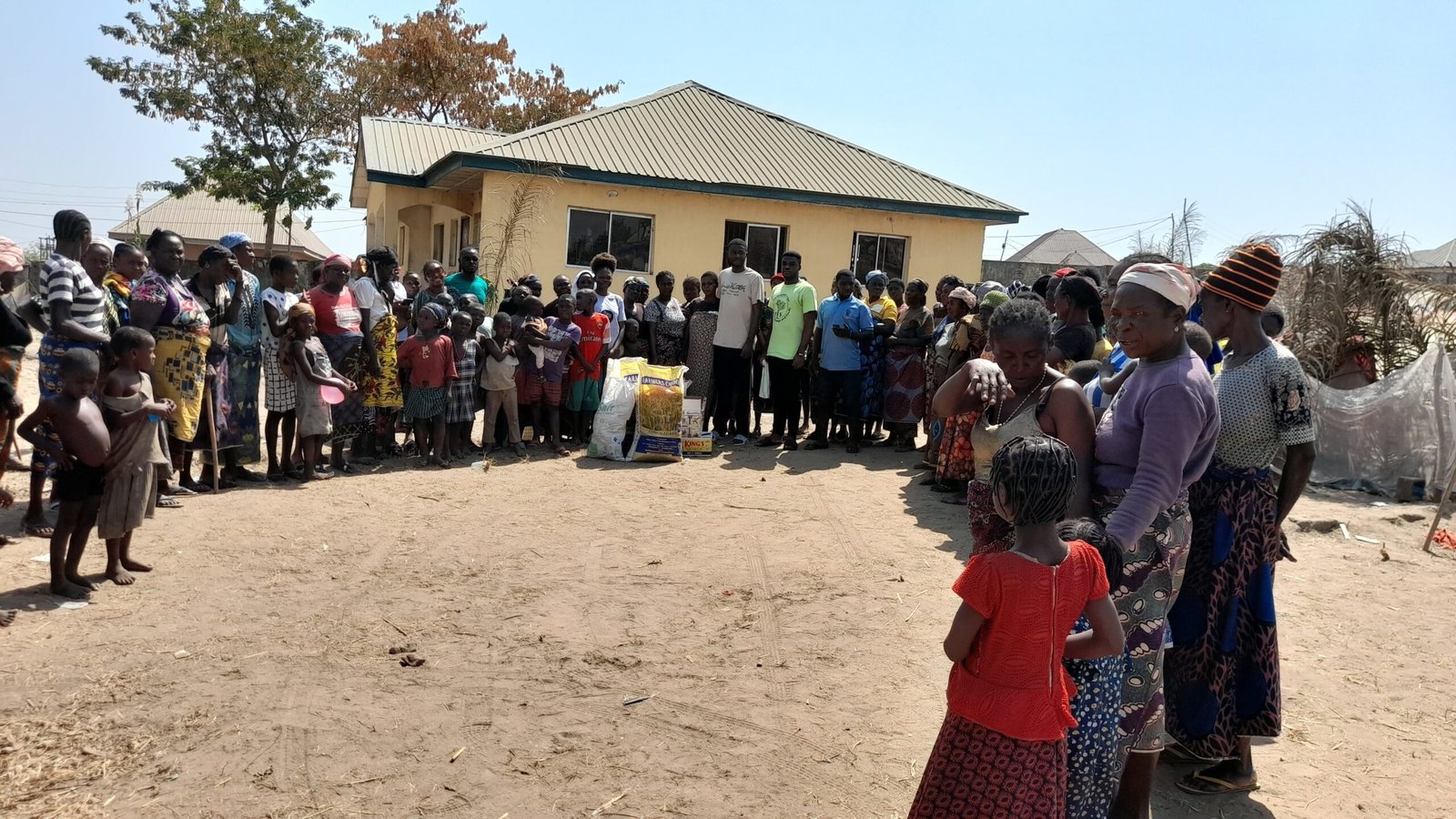
Targba emphasized that while the church supports peaceful livestock farming and efforts by the Federal Government to resolve farmer-herder conflicts, selecting Benue as a pilot site for ranching is inappropriate given the extensive loss of life, displacement, and destruction in the region. Thousands of residents remain unable to return home, making their resettlement a more pressing concern.

He pointed out that Benue is more than just available land for government projects; it is an agrarian society where land represents ancestral inheritance and economic stability for millions. Targba argued that any policy involving land allocation must consider the ancestral rights and livelihoods of local communities.
The NKST General Secretary questioned the logic behind choosing Benue for the ranching program when violence has displaced so many residents. He highlighted that the proposed ranching aligns with the same livestock economy at the core of these conflicts.
The church’s stance against the ranching proposal is rooted in the severe impact of the ongoing security crisis on its community. According to Targba, over 5,987 members have been killed and 753 churches destroyed. However, these claims have yet to be independently verified.
NKST called on the Federal Government to prioritize the restoration and resettlement of displaced communities as the basis for any agricultural projects in Benue. They demanded proper security measures to ensure safe and voluntary returns and urged government support for rebuilding essential infrastructure damaged during the conflict.
Moreover, NKST stressed that no ranch should be established on land belonging to communities whose residents have been forcibly displaced. The broader issue reflects Nigeria’s struggle to balance resolving farmer-herder conflicts with safeguarding community rights and livelihoods