



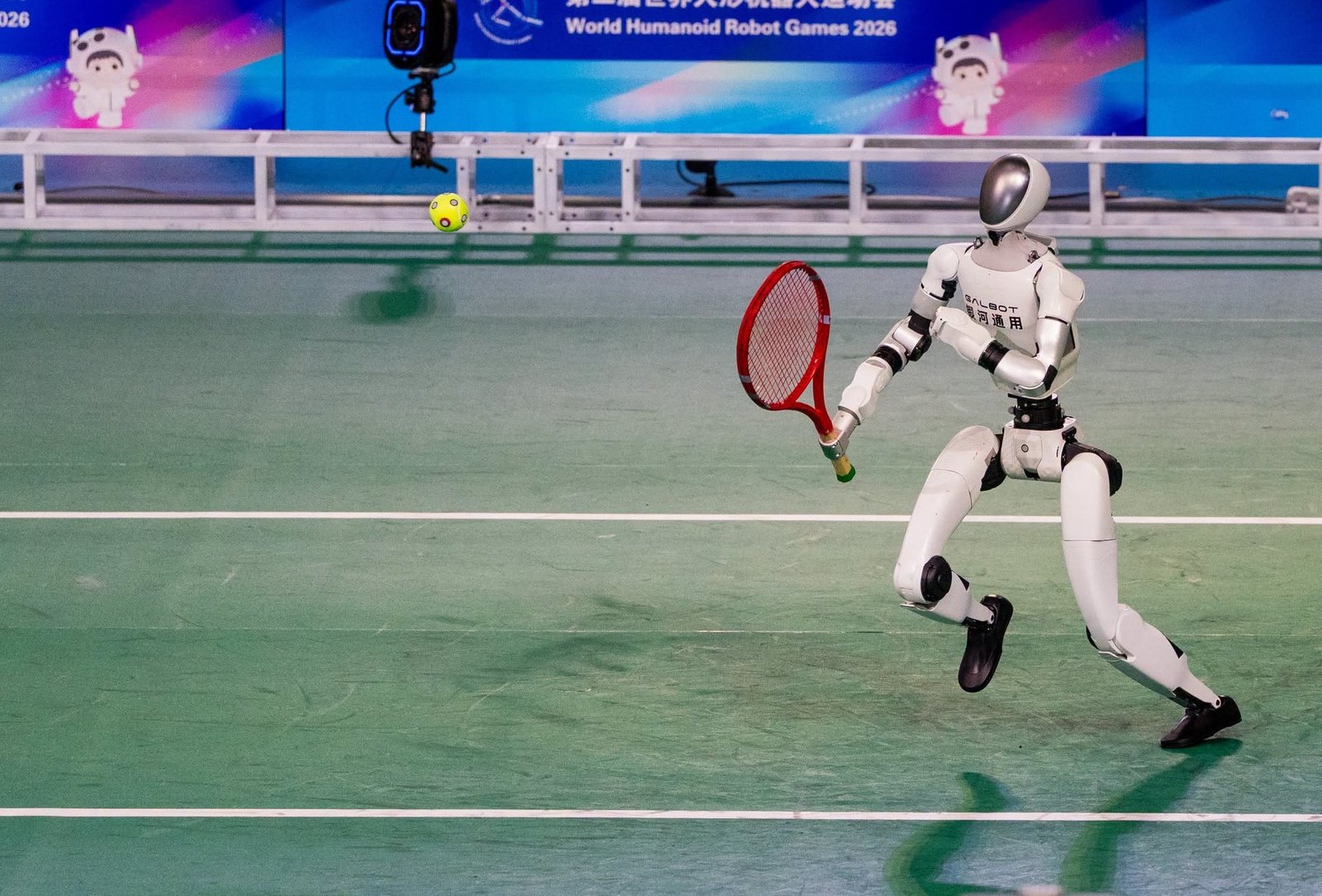
Sprinting and high jump are some of the standout events at the World Humanoid Robot Games in Beijing, where robots showcase their skills in an impressive five-day display of cutting-edge artificial intelligence and robotics technology.
The event has attracted significant crowds, with eager spectators observing humanoid robots take on athletic challenges typically mastered by human athletes.
Notably, some robots have reportedly set remarkable records, including a new 100-meter sprint time that organizers claim surpasses the legendary achievements of Jamaican sprinter Usain Bolt.

Spectators Intrigued by Robot Achievements
The competition has sparked a mix of excitement and concern among attendees.
Li Yanfeng, a spectator at the event, admitted that he initially felt uneasy about artificial intelligence due to fears that robots might eventually replace humans.
“At first, I wasn’t very open to artificial intelligence,” Li explained. “I was somewhat resistant because of the chance it could replace or displace humans. But realizing that this progress is inevitable, I decided to come and see for myself.”
Other spectators expressed amazement at seeing robots perform physical tasks that typically require human strength, balance, and coordination.
Yang Shangzheng, another onlooker, was particularly impressed by the robots’ participation in familiar sports.
“These activities are quite typical for humans, but now robots can do them too. It’s absolutely fascinating,” he noted.
Children Among the Attendees
The games also drew a youthful audience, with many parents hoping their children would gain insights into these emerging technologies.
As artificial intelligence and robotics become more embedded in daily life, the event provides young people with a chance to witness the technology firsthand and contemplate its potential influence on their futures.
The Five-Day Event
Taking place over five days in Beijing, the World Humanoid Robot Games mark the competition’s second edition. The event blends sport, entertainment, and technology, offering developers a platform to exhibit the abilities of humanoid robots in speed, agility, and coordination.
Although some spectators remain apprehensive about AI’s impact on employment and society, the hefty turnout indicates a strong public curiosity about the possibilities these humanoid robots present.
This competition underscores the swift advancements in robotics and poses broader questions about the evolving relationship between humans and increasingly capable machines in the coming years.