


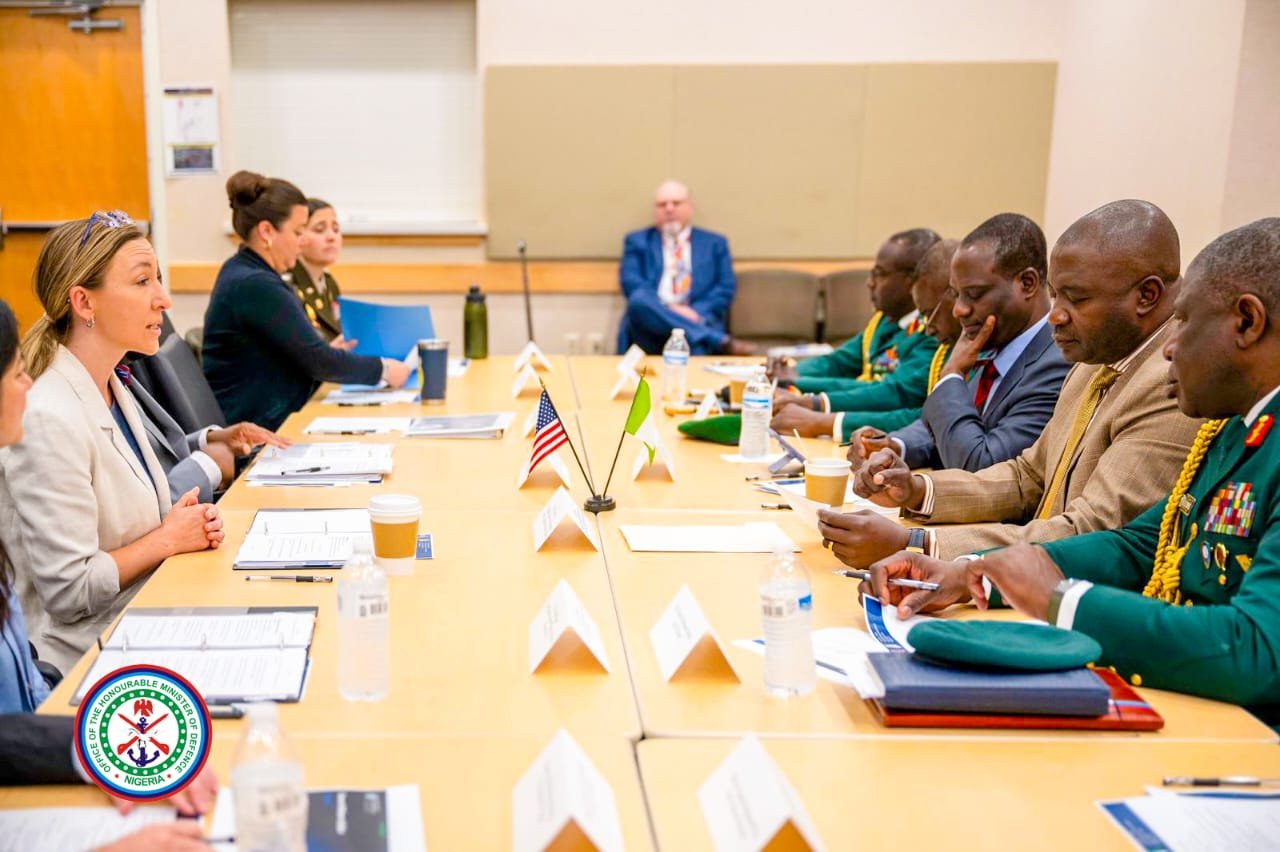
The United States military has initiated specialized training for Nigerian troops in Bauchi State, focusing on unmanned aircraft systems, combat casualty care, weapons familiarization, and other essential military skills. This effort marks a deepening of security cooperation between Washington and Abuja.
The training takes place at a designated Operating Location in Bauchi as part of a comprehensive US-Nigeria security program aimed at enhancing military capabilities, improving operational readiness, and building long-term partner capacity.
Details of this initiative were outlined by the United States Africa Command (AFRICOM) in a report released on Monday.

The programme covers essential military skills, including Combat Lifesaver and Tactical Combat Casualty Care, weapons familiarization, camouflage techniques, water treatment and testing, explosive ordnance disposal, small-unit tactics, and unmanned aircraft systems (UAS).
These training areas were chosen after US personnel presented multiple options based on their expertise and the specific needs identified by the Nigerian military.
Capt. Gabriel Feingold, a logistics officer with the US Army Southern European Task Force, Africa, and operations officer at OL Bauchi, noted that Nigerian military leaders selected the areas they deemed most beneficial.
“We provide them with a list of potential training topics, and they choose what they think will be most advantageous,” Feingold said.
Nigerian forces have shown significant interest in drone technology. AFRICOM reported that Sgt. Mark Murphy, an intelligence analyst with the 13th Combat Sustainment Support Battalion, trained around 10 members of the Nigerian Air Force Special Forces Regiment on utilizing unmanned aircraft.
The UAS training included classroom instruction followed by practical exercises that involved operating and deploying the aircraft. Nigerian personnel were also trained to incorporate intelligence gathered from these systems into their military operations.
“They were thrilled to have hands-on experience,” Murphy noted, adding that the Nigerian personnel expressed a desire for additional training.
In addition to technical skills, AFRICOM emphasized that these joint exercises are designed to strengthen relationships and interoperability between American and Nigerian military personnel.
Feingold emphasized the value of these engagements in building relationships at the operational level. “It strengthens ties between soldiers and the partner force, especially at lower levels,” he said.
When operational commitments and weather conditions permit, US and Nigerian personnel also engage in recreational activities like basketball and volleyball.
AFRICOM stated that further training opportunities are being developed at OL Bauchi to continue facilitating the exchange of expertise and enhancement of military capabilities.
This latest program follows AFRICOM’s recent announcement of the withdrawal of most US troops deployed to Nigeria for a specific counterterrorism operation while maintaining intelligence-sharing and broader security cooperation with Abuja.
The ongoing training underscores that, despite adjustments in the US military presence in Nigeria, both nations remain committed to strengthening their security partnership and enhancing the capacity of Nigerian forces to address evolving security challenges.