


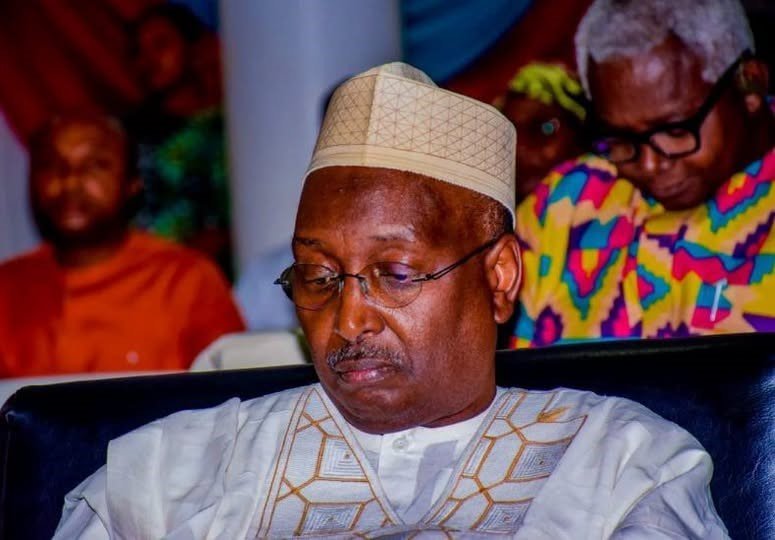
The race for Nigeria’s 2027 presidential election is already generating intense political calculations, with opposition figure Salihu Lukman warning that a divided opposition could struggle to challenge President Bola Ahmed Tinubu.
Lukman, a public affairs analyst and opposition party chieftain, believes the various parties seeking to unseat the incumbent should consider forming a united political front before the election.
In a weekend statement, he argued that opposition parties competing separately for largely similar voters could split their support base and ultimately benefit the ruling party.

His argument is that political parties do not necessarily need to abandon their individual identities, but they may need to find a practical way of coordinating their presidential ambitions if they want to mount a stronger challenge.
Lukman pointed to previous elections in Nigeria and political experiences elsewhere to support his position that fragmented opposition movements can make it easier for an incumbent to remain in power.
He urged opposition leaders to view cooperation as a deliberate electoral strategy.
“Division is a choice. Cooperation must now become a strategy,” he said.
The call comes at a time when several opposition parties are exploring possible alliances ahead of the 2027 presidential contest.
The African Democratic Congress (ADC), Allied Peoples Movement (APM), a faction of the Peoples Democratic Party (PDP), and the Social Democratic Party (SDP) are among the political groups involved in discussions about greater cooperation.
A meeting scheduled for Monday, August 31, is expected to provide another opportunity for opposition leaders to discuss how they can work together ahead of the election.
One of the biggest hurdles, however, will be agreeing on a presidential candidate capable of securing the backing of the different political interests.
Such an arrangement could require some aspirants to withdraw their ambitions and support a consensus candidate, while parties would also have to negotiate questions surrounding power-sharing, campaign structures and the future direction of the coalition.
Lukman’s position reflects a broader political argument that the opposition’s electoral strength may depend less on the number of parties involved and more on their ability to consolidate their support.
Whether the different opposition groups can overcome their differences and agree on a common presidential strategy remains to be seen.
For now, the push for a united opposition is becoming an increasingly important part of the political conversation ahead of 2027.