


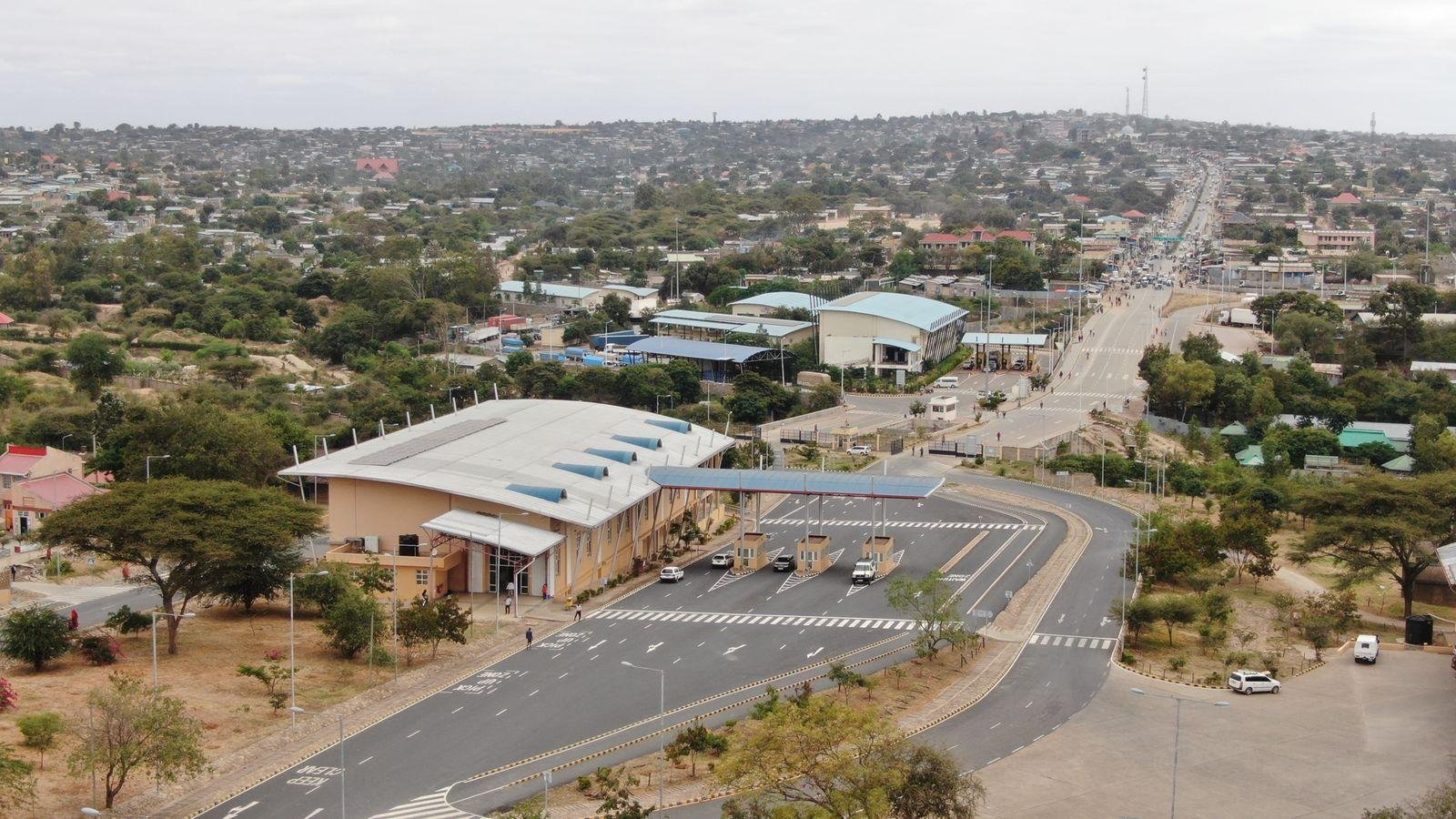
A serious humanitarian situation is unfolding in southern Ethiopia following escalating clashes between rival ethnic communities, with an estimated 700,000 people reportedly forced to flee their homes.
The latest warning came from Islamic Relief, a British humanitarian organisation monitoring the crisis, which says the violence has spread far beyond the original flashpoint near Moyale, a strategic town close to the Kenyan border.
According to the organisation, the confrontation began in late October following a dispute over control of the area involving members of the Oromo and Ethiopian Somali communities.

The situation has since deteriorated, with reports of armed confrontations involving heavy weapons across areas extending approximately 300 kilometres from Moyale.
Kedir Musema Hameza, who heads Islamic Relief’s Ethiopia programme, said the conflict was being fuelled by competition over land, wealth and control of border territories.
His comments underline the complicated nature of the crisis, where local territorial disagreements have developed into a wider security emergency.
Humanitarian Situation Deteriorates
The scale of displacement is raising serious concerns among humanitarian organisations.
Islamic Relief says the fighting has caused extensive damage to homes, businesses and petrol stations, leaving many residents without shelter or reliable sources of income.
Access to essential services has also been severely affected.
Healthcare facilities, water supplies and sanitation systems have reportedly experienced disruption, making daily life increasingly difficult for people who remain in affected communities.
The organisation warned that insecurity has made it challenging for humanitarian teams to reach some locations and properly assess the needs of those affected.
This limited access could further complicate the delivery of food, medical supplies, clean water and emergency shelter.
Kenya Faces Growing Pressure From Refugee Arrivals
The consequences of the conflict are extending beyond Ethiopia’s borders.
Approximately 50,000 people are reported to have crossed into Kenya while escaping the violence.
The sudden movement of people is creating additional demands on host communities and local services, particularly in areas already facing resource constraints.
The situation raises concerns about the ability of neighbouring communities to accommodate further arrivals if insecurity continues.
Humanitarian agencies are likely to face increasing pressure to coordinate emergency assistance and protection for displaced families on both sides of the border.
Ethnic Federalism And Border Disputes Remain Sensitive Issues
Ethiopia’s latest crisis is unfolding against a background of longstanding disputes over territory, political authority and regional boundaries.
The country’s federal arrangement, introduced under the 1995 Constitution, established regional states largely organised around ethnic identities.
Although the system was designed to recognise the country’s diverse communities, disagreements over administrative boundaries and control of resources have repeatedly generated tensions.
The Moyale dispute highlights how unresolved territorial questions can develop into serious security threats, particularly in border communities where land and economic interests overlap.
Prime Minister Abiy Ahmed’s government has yet to issue a public comment on the latest violence, according to the report.
Fresh Fighting Adds To Ethiopia’s Wider Security Crisis
The southern violence is only one part of the country’s broader security challenges.
In the north, renewed clashes were recently reported in Tigray, where government forces and rebel groups have again been involved in confrontations.
The Amhara and Oromia regions have also experienced prolonged insurgencies that have displaced large numbers of people and created continuing humanitarian concerns.
These overlapping conflicts are placing additional pressure on Ethiopia’s security institutions and humanitarian response systems.
Urgent Attention Needed To Prevent Further Displacement
The reported displacement of approximately 700,000 people demonstrates the scale of the emergency facing southern Ethiopia.
For families who have lost their homes and livelihoods, immediate priorities include access to safe shelter, healthcare, clean drinking water and sanitation.
The reported movement of tens of thousands of people into Kenya also makes the situation a regional humanitarian concern rather than an issue confined to Ethiopia.
As the fighting continues, humanitarian organisations are warning that the needs of affected communities could increase significantly unless security improves and aid workers gain better access to vulnerable populations.
The unfolding crisis is another reminder of the devastating consequences of prolonged ethnic and territorial disputes, particularly when violence spreads into communities already facing economic and social difficulties.