


President Bola Tinubu has promised Nigerians an improvement in electricity supply, while unveiling plans to revive automobile manufacturing at the former Leyland factory in Ibadan, Oyo State.
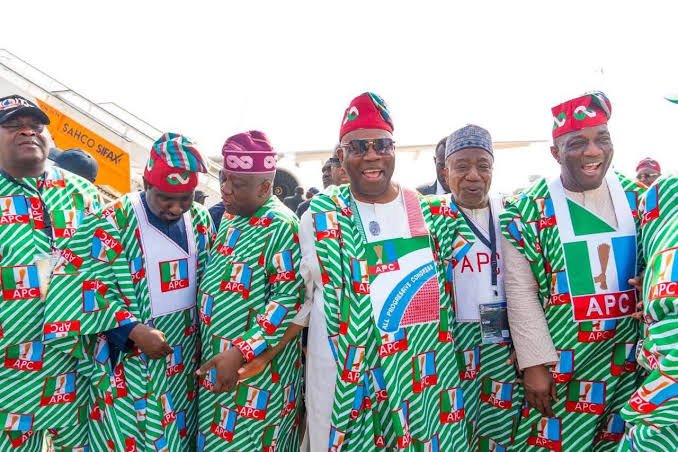
Tinubu made the announcements on Saturday during the All Progressives Congress campaign rally at Mapo Hall, Ibadan, as political activities ahead of the 2027 general elections continue.
Addressing the crowd, the President said his administration remained committed to industrial growth and acknowledged the work being undertaken by the Ministry of Power.

“I guarantee you an improvement in electricity,” Tinubu declared, adding that the Minister of Power, Joseph Tegbe, was working with his team to address the country’s power challenges.
The President also called on Nigerians to support his administration’s development agenda, highlighting education, agriculture, industrial investment and opportunities for future generations.
Yutong Partnership Targets Automobile Production in Ibadan
One of the major announcements at the rally was the planned reopening of the former Leyland automobile factory in Ibadan.
Tinubu disclosed that the Federal Government had signed an agreement with Chinese manufacturer Yutong to restart operations at the facility.
The agreement was signed on November 19, 2026, through the Presidential Initiative on Compressed Natural Gas and Electric Vehicles (Pi-CNG & EV), with Yutong and its Nigerian partner, YP Automobile, participating in the arrangement.
The proposed project is expected to focus on public transport vehicle production and automobile assembly.
The development could bring renewed industrial activity to the historic factory, although the project’s implementation timetable, production capacity and expected employment figures were not provided in the President’s remarks.
Electricity Supply Remains a Major Public Concern
Despite repeated government commitments to improve the power sector, unreliable electricity remains a major concern for Nigerian households and businesses.
The country’s electricity tariff structure, divided into Bands A, B and C, has also attracted public attention because customers are expected to receive minimum hours of supply depending on their classification.
Band A customers are entitled to a minimum of 20 hours of electricity daily. However, complaints about inadequate supply have continued, including from consumers who say their electricity service does not consistently meet the expected standard.
The challenges are particularly difficult during hot weather, when the absence of electricity affects homes, workplaces and commercial activities.
Generator Expenses and Solar Installation Costs Increase Pressure
Many Nigerians have been forced to depend on alternative electricity sources to keep their homes and businesses running.
Generator users face increasing operating expenses because of the cost of petrol and diesel. Solar energy offers another option, but the initial cost of purchasing panels, batteries and inverters remains beyond the financial reach of many consumers.
Public complaints have also come from entertainers and other prominent Nigerians, including Kate Henshaw and Cute Abiola, who have spoken about the difficulties caused by persistent power interruptions.
Power Ministry Points to Operational Difficulties
The Ministry of Power has previously identified planned maintenance at Egbin Power Station, limited gas supplies and vandalism of transmission infrastructure among the factors contributing to electricity disruptions.
These issues underline the scale of the challenge facing the Federal Government as it seeks to improve power generation and ensure electricity reaches consumers more consistently.
Tinubu’s latest pledge and the proposed revival of the Leyland factory have placed electricity and industrial development back in the spotlight.
The coming months will be important in determining how the administration’s commitments translate into measurable improvements for electricity consumers and the country’s manufacturing sector.