

Preparations for Nigeria’s 2027 general elections have entered another important phase as the Independent National Electoral Commission (INEC) has selected 17,676 polling units for a nationwide test of its voter accreditation and electronic results upload systems.
The mock exercise is scheduled for Saturday, November 28, 2026, between 8:30 a.m. and 2:30 p.m.
INEC disclosed the details through its official X account, explaining that the selected polling units were drawn from all 8,838 Registration Areas across the country, with two polling units chosen from each area.

The Commission has also directed interested members of the public and electoral stakeholders to visit its website to access the list of participating polling units.
BVAS and IReV Under Focus
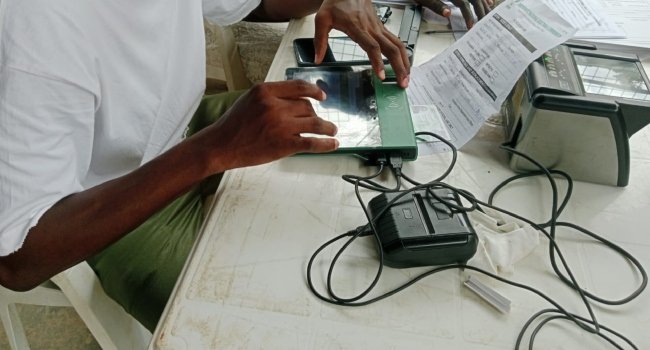
The exercise will test the Bimodal Voter Accreditation System (BVAS), which is used to verify voters during elections, alongside the electronic results upload process through the INEC Result Viewing Portal (IReV).
The technology test is intended to establish whether the systems and operational procedures are ready for deployment during the 2027 general elections.
INEC Chairman, Joash Amupitan, had previously said the exercise would simulate the presidential election and be conducted across all states of the federation.
He explained that the initiative was part of efforts to improve the electoral process and address technical problems encountered during the 2023 general elections.
Yiaga Africa Calls for Transparency
Before INEC released the number and locations of the selected polling units, Yiaga Africa had called on the Commission to make the exercise more transparent by publishing detailed guidelines and relevant information.
The organisation welcomed the decision to conduct the mock accreditation and electronic results upload exercise but emphasised that stakeholders needed sufficient notice to participate and observe the process.
In a statement signed by Executive Director Samson Itodo, Yiaga Africa said citizens, political parties, civil society groups, election observers and journalists should have access to information explaining how the exercise would be conducted.
It also urged INEC to publish a comprehensive framework outlining the scope, procedures and arrangements for the exercise.
According to the organisation, transparency and public scrutiny would be important in building confidence in the electoral technologies expected to be used in 2027.
A Test of Public Confidence Before 2027
The November 28 exercise will provide INEC with an opportunity to assess its technology and identify possible weaknesses before the next general elections.
For voters and other stakeholders, the exercise is also an opportunity to assess how prepared the Commission is to deliver a credible technology-supported electoral process.
Nigeria’s Presidential and National Assembly elections are scheduled for January 16, 2027, while Governorship and State Houses of Assembly elections are fixed for February 6, 2027.
With the election timetable approaching, the success of the mock exercise could play an important role in strengthening public confidence in the Commission’s preparations.