


A search operation along Senegal’s coastline has recovered 39 bodies, with just one survivor reported and the total number of passengers still unknown.
A desperate journey towards Europe has ended in tragedy off Senegal’s northwestern coast, where at least 39 people have died after a migrant boat capsized near Lompoul.
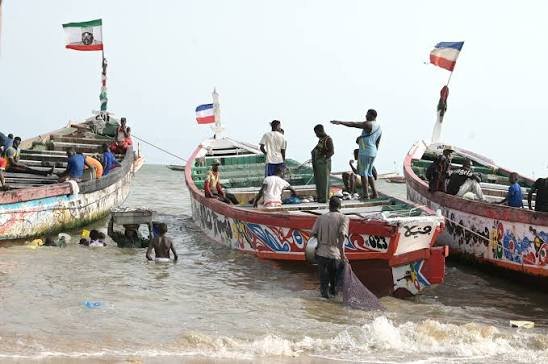
The wooden fishing vessel, known as a pirogue, was travelling from Saint-Louis towards Spain’s Canary Islands when disaster struck.

Images from the coastline show the remains of the boat lying on a beach, its wooden hull split into two. The wreckage offers a stark reminder of the dangers faced by people attempting the Atlantic crossing in vessels not designed for such demanding journeys.
Senegalese emergency services have continued searching the coastline, covering approximately 25 kilometres over three days. Four additional bodies were recovered on Monday, taking the death toll from 35 to 39.
Only one survivor has been reported, and authorities have not established the exact number of people who were aboard.
Families await answers
Louga Regional Governor Ndeye Nguenar Mbodj confirmed the updated death toll and described the difficulties confronting authorities as they recover and identify victims.
Senegal’s official press agency reported that 24 of the 39 bodies had been identified and handed over to their families, while other remains were still awaiting identification.
The condition of some recovered bodies has created additional challenges. Authorities requested permission to bury four bodies locally after they were found in an advanced state of decomposition.
Many of the victims were reportedly young people from nearby communities, including Thieppe and Potou.
A judicial investigation has been launched to determine the circumstances of the shipwreck. The recovery operation has also been complicated by difficult access to parts of the coastline and ocean currents.
Why the Atlantic migration route remains dangerous
The crossing from West Africa to the Canary Islands is one of the most dangerous migration routes into Europe.
People undertaking the journey often travel for several days in overcrowded fishing boats, facing unpredictable weather, powerful ocean currents and limited safety equipment.
For many young Africans, the decision to leave is driven by unemployment, economic hardship and the hope of finding better opportunities abroad.
However, the journey can expose passengers to extreme danger, particularly when boats are poorly equipped or operated by criminal smuggling networks.
Increased coastal patrols and efforts to intercept irregular departures have also been associated with changes in migration routes, with some boats taking longer and more dangerous journeys.
A regional challenge requiring urgent attention
The latest tragedy has renewed attention on the need to address the conditions that push young people to risk their lives at sea.
Strengthening maritime security and tackling human-smuggling networks are important, but the wider challenge also involves employment opportunities, economic development and safer, legal pathways for migration.
For the families affected by the Lompoul disaster, however, the immediate concern is finding missing relatives, identifying the dead and bringing their loved ones home.
With the number of people who boarded the vessel still unknown, the full human cost of the tragedy may not yet be established.