



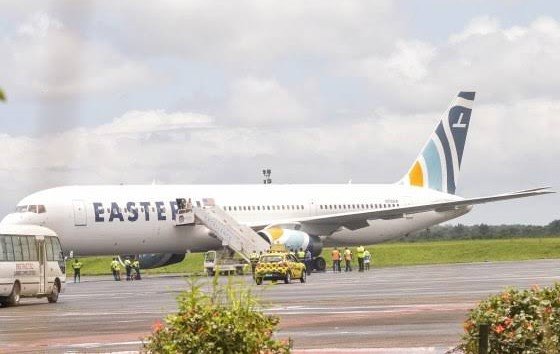
A group of 20 migrants deported from the United States has arrived in Liberia, signaling the start of a new arrangement that could see up to 1,200 deportees sent to the West African country over the next year.
The migrants landed at Roberts International Airport near Monrovia on Thursday. Most reportedly hail from Latin American nations, including Venezuela and Cuba, though the US government has not disclosed the complete roster of nationalities.
Liberia is set to receive up to 1,200 deportees under an agreement allowing the US to send individuals who are not Liberian nationals. This positions Liberia as one of the latest destinations in Washington’s expanding third-country deportation strategy.

According to Liberian authorities, the deportees will be treated as guests and can apply for asylum in Liberia or opt to leave. The International Organization for Migration and the UN refugee agency are expected to provide support.
Liberia sees this arrangement as part of its deep-rooted humanitarian tradition of offering refuge to displaced individuals.
The policy has stirred controversy among immigration lawyers and human rights groups, who question whether deportees can safely relocate to countries where they have no prior connections.
Critics also raise concerns about the transparency of these agreements and whether deportees might face subsequent removal to countries where they could be at risk of persecution or serious harm.
The Liberian arrangement forms part of a larger effort by the Trump administration to expand deportations to countries other than migrants’ origins, with similar deals reached in several African nations and beyond.
Liberia is expected to receive $5 million from the United States to assist with migration management. However, officials indicate that no direct payment is made for accepting deportees.
The arrival of the first group will likely amplify debates regarding the legality and humanitarian impact of third-country deportations, as Liberia gears up to possibly receive hundreds more migrants under this agreement.
With potentially 1,200 arrivals over the coming year, the deal’s implementation will be closely monitored by governments, human rights organizations, and immigration advocates.