


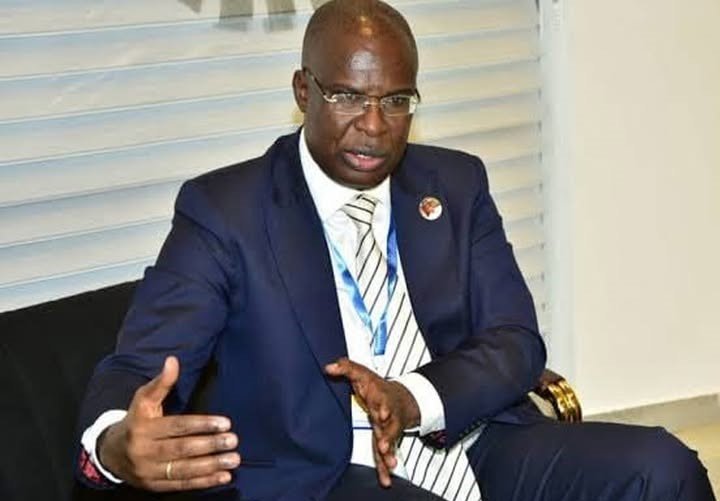
The Economic and Financial Crimes Commission has asked former Bayelsa State Governor Timipre Sylva to appear before the agency following his declaration as wanted over an alleged $14.86 million fraud.
EFCC spokesman Dele Oyewale confirmed the commission’s position on Monday, saying Sylva should make himself available for questioning.
The development has emerged at a politically sensitive moment, coming on the same day Sylva announced his departure from the All Progressives Congress.

Sylva Quits APC, Accuses Party of Losing Its Way
Sylva, a founding member of the APC, announced his resignation from the party in a letter dated August 31, 2026.
He said the decision followed discussions with his family, associates, colleagues and sympathisers.
In the letter, the former governor accused the party’s leadership of abandoning the values that initially inspired its formation. He also criticised the Federal Government, saying its performance had disappointed many Nigerians.
Sylva said he could no longer remain in a political organisation where, in his view, the principle that “all is fair in politics” had become increasingly dominant.
Why Sylva Copied the EFCC
The former governor specifically copied the EFCC in his resignation letter.
He alleged that the commission had recently behaved more like an organ of the ruling APC than an independent government institution.
Sylva said he was conscious that his resignation could expose him and his associates to further investigation, describing such a possibility as a risk he was prepared to take.
The allegation has added another layer to the controversy surrounding the EFCC’s demand for him to appear before the commission.
What the EFCC Says
The anti-graft agency has not accepted Sylva’s political allegations. Instead, its response has been direct: the former governor has been declared wanted and should report to the commission.
The EFCC’s statement does not, in itself, establish guilt. The $14.86 million matter remains an allegation requiring investigation and due process.
Sylva’s resignation from the APC and the EFCC’s demand for his appearance have therefore created two parallel developments — one political and the other legal.
Political Implications
Sylva’s decision to leave the APC could have wider political consequences, particularly as politicians begin preparing for the 2027 elections.
His criticism of the ruling party and his call for Nigerians to change the country’s political direction indicate that his resignation may not be simply an internal party disagreement.
For now, attention will remain on whether Sylva responds to the EFCC’s summons and how the allegations against him develop.