



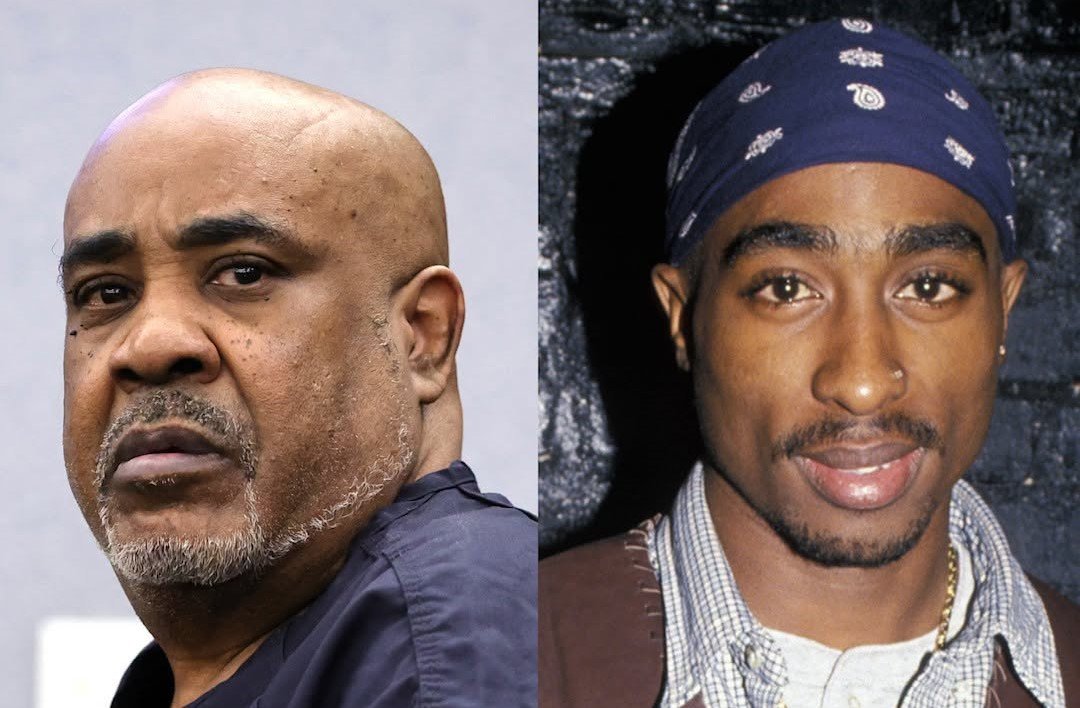
For almost 30 years, the murder of Tupac Shakur remained one of the biggest unanswered questions in the history of hip-hop.
That changed Monday when a Las Vegas jury found former gang leader Duane “Keffe D” Davis guilty of orchestrating the rapper’s 1996 killing.
Davis, 63, was convicted of murder with a deadly weapon over the drive-by shooting that claimed Shakur’s life on September 7, 1996.

The courtroom became emotional when the verdict was announced. Members of Shakur’s family held hands, embraced one another and cried. Outside the courthouse, fans responded with a mixture of celebration and tears.
Davis remained largely expressionless while the verdict was read. He later indicated that he would challenge the conviction through an appeal.
What prosecutors said happened
The prosecution’s case centered heavily on statements Davis had made about the night Shakur was killed.
A recording from a 2008 police interview was played during the proceedings. In it, Davis acknowledged that he was inside the white Cadillac from which the gunshots were fired.
He maintained that he was not the person who pulled the trigger.
Prosecutors, however, argued that his role went much further. They said Davis helped organize the attack, supplied the firearm and instructed his nephew, Orlando Anderson, to carry out the shooting.
Anderson was repeatedly linked to the case but denied involvement in Shakur’s death. He was killed in an unrelated shooting in 2008 and therefore never faced charges in the case.
Revenge was at the centre of the prosecution’s case
Prosecutors told the court that the attack was planned as retaliation after Anderson became involved in a physical confrontation with Shakur and members of his group in Las Vegas earlier that day.
The killing occurred during one of the most turbulent periods in hip-hop, when the rivalry between East Coast and West Coast artists had become increasingly intense.
Gang tensions involving the Bloods and Crips added another dangerous layer to the conflict surrounding the music industry.
Shakur’s death stunned the entertainment world. At just 25, he had already established himself as a hugely influential rapper, actor and cultural figure.
His popularity did not fade after his death. Shakur has gone on to sell more than 75 million records worldwide, while his music continues to attract new generations of listeners.
For years, theories about who was responsible for his murder spread across the internet, documentaries and popular culture. But despite the enormous attention surrounding the case, there had been no conviction.
The guilty verdict against Davis now marks a major turning point in a case that has remained in the public spotlight for nearly three decades.
For Shakur’s family and millions of fans, the verdict closes one of the most enduring chapters in hip-hop’s history—though Davis has said he intends to appeal.