



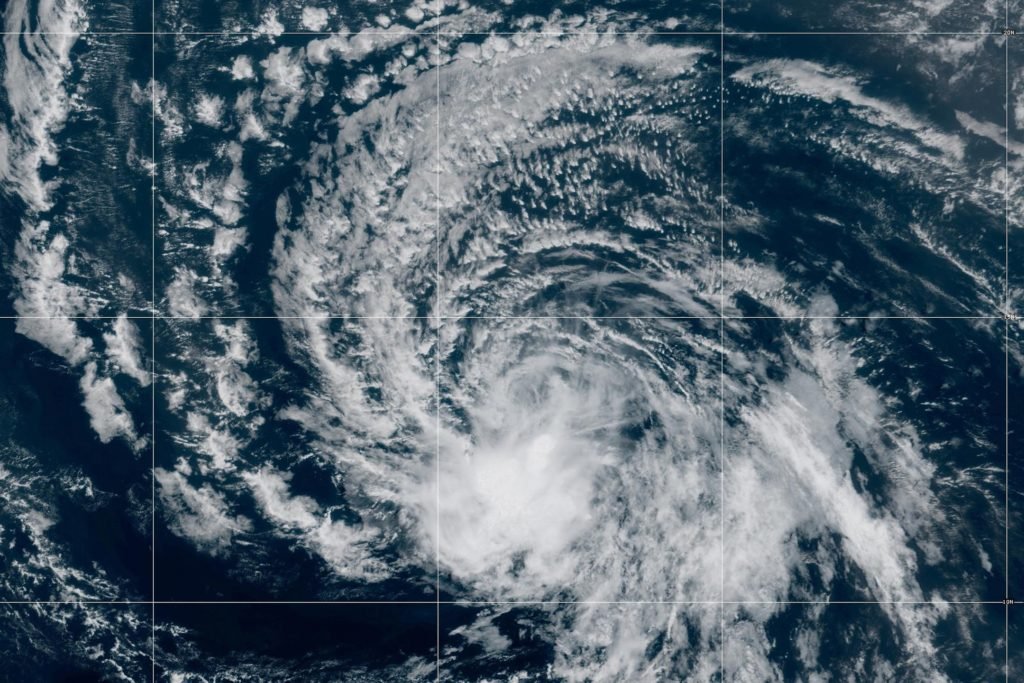
Governments and weather agencies around the world are stepping up preparations for a potentially exceptional El Niño event that could bring major disruptions to weather patterns across several continents.
The World Meteorological Organization has warned that the developing phenomenon could reach extraordinary strength, potentially making it the most powerful El Niño observed in more than 70 years.
The warning comes as Pacific Ocean temperatures continue to climb well above normal levels, signalling that the weather pattern is gaining strength.

UN Secretary-General António Guterres has described the situation as part of a broader “danger zone of extreme weather”, pointing to the growing risks facing communities as El Niño interacts with an already warming planet.
Unlike an ordinary weather system, El Niño can influence conditions thousands of kilometres away from where it develops. Changes in Pacific Ocean temperatures and wind circulation can alter rainfall and temperature patterns across the globe.
That means the effects will not be the same everywhere.
While some regions may be hit by severe drought and water shortages, other areas could see intense rainfall, flooding and stronger tropical storms. Warmer conditions are also expected in some parts of the world.
The concern is greater because the phenomenon is developing alongside long-term global warming linked to human activities.
Scientists say the central and eastern tropical Pacific has already experienced a significant increase in sea surface temperatures. In the main monitoring area, temperatures have recently climbed more than 2°C above average.
The latest projections indicate that the warming could intensify further, with some monthly readings potentially approaching 4°C above normal.
Such levels could push the event beyond the “very strong” category and make it an extraordinary occurrence by historical standards.
The WMO says it is working to ensure that forecasts and warnings reach as many vulnerable communities as possible before dangerous weather conditions develop.
Governments are also taking preventive measures, including improving early-warning systems and preparing medical assistance and emergency response plans.
The objective is to reduce the human and economic cost of extreme weather by giving communities more time to prepare.
WMO Secretary-General Celeste Saulo has warned that the potential consequences could extend beyond weather-related damage, with communities and economies facing significant pressure if the event develops as forecast.
For countries already dealing with flooding, drought, food insecurity and rising temperatures, a powerful El Niño could create another layer of difficulty.
Officials and scientists are therefore urging governments to use the available forecasts to prepare early, particularly in areas where extreme weather could threaten lives, homes, agriculture and critical infrastructure.
If the current projections hold, the coming months could provide a major test of how effectively countries can prepare for increasingly severe climate-related hazards.