


The military government in Niger has announced new appointments to the top ranks of the armed forces following a reported attempt by disgruntled soldiers to challenge the junta’s authority.
The appointments were made roughly two weeks after the alleged mutiny in Niamey, where soldiers reportedly targeted sensitive locations in the capital.
The government said Brigadier General Mamane Sani Kiaou would serve as the new Chief of Defence Staff.

Another senior officer, Brigadier General Abdourahmane Abou Zataka, was named Chief of Staff of the Army.
The appointments were announced on state television by Abari Amitti, head of public broadcaster Télé Sahel.
Military Faces Pressure on Two Fronts
The leadership changes come as Niger’s armed forces face pressure from both internal tensions and persistent militant attacks.
The reported mutiny was contained by Nigerien forces, with Russian paramilitary allies also said to have helped suppress the uprising.
Although the attempted revolt did not succeed, the episode has highlighted possible divisions within the military establishment.
Niger has also experienced continuing attacks by militant groups, resulting in significant casualties among security personnel.
Tiani Has Ruled Since 2023 Coup
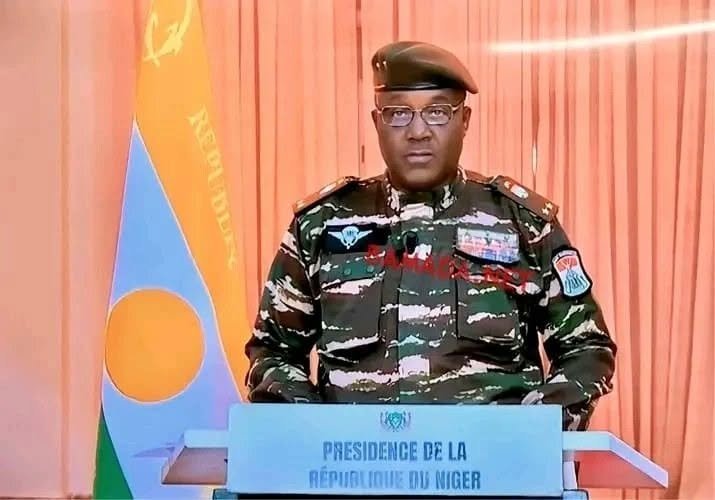
General Abdulrahmane Tiani has led Niger since the military takeover in July 2023, when President Mohamed Bazoum was removed from power.
His administration subsequently broke with several of Niger’s traditional Western security partners.
Instead, the junta deepened military and political ties with Russia, joining a broader shift among Sahel states away from Western alliances.
Security Crisis Remains a Major Challenge
Despite changes in military leadership and new security partnerships, Niger continues to struggle with militant violence.
Attacks against security forces have remained a major concern and have reportedly contributed to growing unease within sections of the military.
The appointment of new defence and army chiefs could therefore represent an effort to strengthen military command at a particularly difficult time for the junta.
The coming months will show whether the new leadership can improve coordination within the armed forces while responding effectively to the continuing militant threat.