


A rapidly worsening Ebola epidemic in the Democratic Republic of Congo has crossed another grim milestone, with more than 6,000 confirmed infections and almost 3,000 deaths reported by health authorities.
The latest government figures put the number of confirmed cases at 6,041, while 2,911 people have died. More than 1,300 patients have recovered since the outbreak began.
The outbreak, which was declared in May, has now reached 60 health zones across six provinces, particularly affecting communities in the country’s north and east.

Why the Outbreak Is So Difficult to Contain
The epidemic is being driven by the Bundibugyo virus, a strain of Ebola for which there is currently no licensed vaccine or specific treatment.
The spread is taking place against a difficult backdrop.
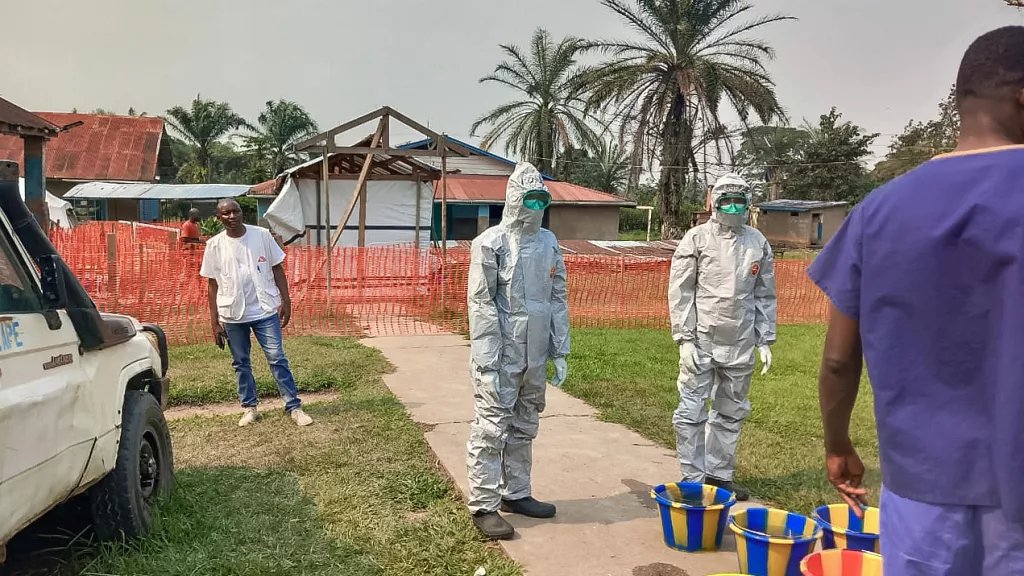
Several affected areas are dealing with armed conflict, population displacement and limited healthcare access. These conditions can make it harder to detect patients early, trace people who may have been exposed and provide timely medical care.
The World Health Organization has described the situation as a major public-health concern, with the outbreak continuing to expand geographically.
Communities Already Facing Hardship
For people living in eastern Congo, Ebola is arriving on top of existing humanitarian challenges.
Large numbers of people have been displaced by insecurity, while movement between communities increases the difficulty of monitoring the spread of the virus.
Healthcare workers are also operating under significant pressure. Reports of industrial action over unpaid salaries and poor working conditions have further complicated efforts to maintain an effective response.
Vaccine Campaign Offers a Ray of Hope
Congo has begun administering the Ervebo vaccine to frontline and healthcare workers.
The vaccine has been successfully used against the Zaire strain responsible for previous major Ebola outbreaks, but the current epidemic involves Bundibugyo.
Researchers are therefore studying whether Ervebo can offer meaningful protection against the current strain, while work continues on vaccines and treatments specifically targeting Bundibugyo.
Congo Faces a Critical Moment
The current outbreak has already surpassed the country’s previous record Ebola epidemic, which occurred between 2018 and 2020.
The latest figures show just how quickly the disease has spread and how difficult the response has become.
Health officials are now racing to strengthen surveillance, protect medical workers, reach vulnerable communities and prevent the virus from spreading into additional areas.
The crisis also carries a regional dimension. With people moving across borders and neighbouring countries remaining alert, containing the outbreak in Congo is important not only for the country itself but for public health across Central and East Africa.
The immediate priority is to save lives and stop transmission. But with the death toll already nearing 3,000, the scale of the challenge facing Congo and its international health partners is becoming increasingly difficult to ignore.