


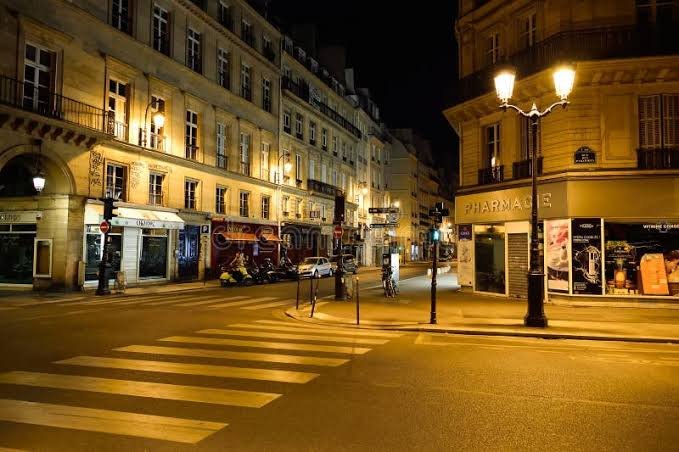
French Prime Minister Sébastien Lecornu has said targeted curfews helped bring a measure of calm to cities affected by a weekend of riots, looting and clashes.
The restrictions were introduced after violent incidents spread across several parts of France, raising concerns about public safety and the government’s ability to maintain order.
Lecornu said decisions on whether to extend the curfews would depend on conditions in individual communities, with local authorities and mayors assessing the need for further action.

Paris and Regional Cities Face Restrictions
Police imposed overnight curfews in parts of central Paris, including Place de la République and the Les Halles shopping district.
Additional restrictions affecting gatherings and the movement of young people were introduced in cities including Marseille, Bordeaux, Nice, Lyon and Lille.
The measures were intended to protect residents, businesses and public property while reducing the risk of renewed clashes.
Lecornu praised police officers and gendarmes for carrying out their duties and said further restrictions would be determined according to local circumstances.
Political Pressure Mounts Over Police Response
The unrest has intensified pressure on the French government over security preparations.
Interior Minister Laurent Nuñez admitted that police had lost control in some cities during the weekend disturbances. He offered to resign on Monday, but President Emmanuel Macron declined to accept his resignation.
Opposition politicians have criticised the authorities’ response, while the government has pledged to improve its handling of the unrest and prevent further damage.
Thousands Arrested as Officers Suffer Injuries
Officials reported more than 2,500 arrests since the disorder began and around 1,000 police officers injured.
One demonstrator reportedly lost a hand after a crowd-control grenade exploded, according to reports citing AFP.
The demonstrations initially centred on students’ demands for better school conditions but subsequently widened to include concerns about living costs and public services. Trade unions and other protest groups joined the mobilisation, adding to the scale of the demonstrations.
Authorities Monitor the Situation
The calmer night offers some relief after the widespread disorder, but it does not mean the unrest has ended.
French authorities are continuing to assess security risks and determine where further restrictions may be required. The government faces the challenge of protecting people and property while addressing criticism of its preparations and response.
For now, the approach remains focused on targeted measures rather than a nationwide curfew, with local officials expected to make decisions based on conditions in their respective areas.