


Yemen’s government blames Houthis for airport strike as Saudi-led coalition reports intercepting additional threats
Iran has rejected allegations that it is behind the latest escalation of Houthi attacks, following a missile strike on Aden International Airport in Yemen.
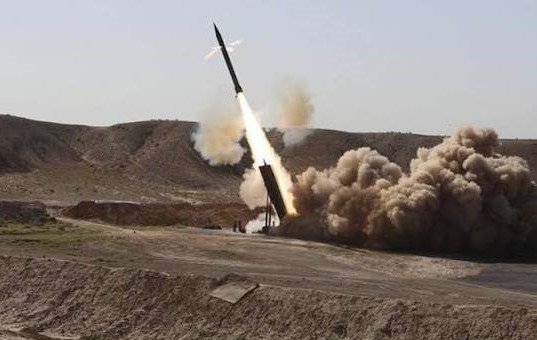
Two missiles landed on airport grounds late on Friday, October 16, near the runway and a passenger aircraft preparing for departure. Yemeni officials said there were no reported casualties.

The internationally recognised Yemeni government blamed the Houthi movement for the attack. The group said it had targeted a Saudi forces command headquarters and a weapons depot at Badr Camp, located near the airport.
The incident occurred as the Saudi-led coalition reported intercepting further missiles and drones amid heightened regional tensions.
Tehran denies involvement
Iranian Foreign Ministry spokesman Esmaeil Baqaei said Tehran had no role in the Houthi operations.
He argued that the Yemeni group acts according to its own interests and assessments, while rejecting claims that Iran was responsible for the attacks.
Baqaei also reiterated Iran’s readiness to use diplomatic channels to help end the hostilities, saying further escalation would not serve the interests of the parties involved.
Saudi Arabia has accused Iran of encouraging the Houthi campaign. Iran denies the allegation, leaving the extent of Tehran’s involvement in the latest operations disputed.
Saudi Arabia reports missile and drone interceptions
The Saudi-led coalition said it intercepted additional missiles and drones on Friday as attacks against the kingdom continued.
The coalition has reported more than 20 attempted attacks on Saudi airports and energy facilities since the start of October.
The reported incidents have raised concerns about the security of civilian aviation, oil infrastructure and shipping routes in a region already affected by wider military confrontation.
Saudi officials have attributed the attacks to the Houthis, who have expanded their operations against Saudi targets during the renewed fighting in Yemen.
Renewed conflict threatens Yemen’s stability
Aden has served as the seat of Yemen’s internationally recognised government since Houthi forces took control of Sanaa in 2014.
The airport strike followed an attack on the Al-Maashiq presidential palace in Aden on Thursday. Yemeni authorities reported five deaths and 16 injuries in that incident.
The Houthis said the palace attack targeted a Saudi military operations centre. The latest incidents illustrate how military facilities and essential infrastructure are increasingly exposed as the conflict intensifies.
Wider implications for energy and maritime security
The confrontation also carries potential implications beyond Yemen. Saudi Arabia is one of the world’s leading oil exporters, and the surrounding region includes major routes for oil shipments and international commerce.
The Red Sea and the Bab el-Mandeb Strait are particularly important to global shipping. Continued attacks on ports, energy installations or vessels could increase transport risks and add pressure to already unsettled energy markets.
Iran’s offer to mediate has not yet produced a publicly announced settlement. Meanwhile, competing accusations and continued military operations leave the prospects for de-escalation uncertain.
The Aden airport strike adds to the mounting security concerns as Yemen’s conflict becomes increasingly connected to wider regional tensions.