



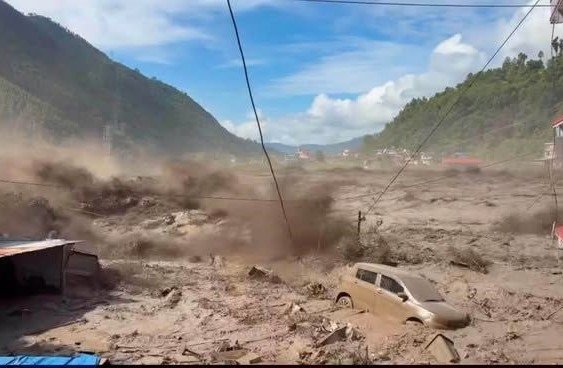
A catastrophic flooding disaster affecting Nepal and Tibet has claimed more than 700 lives, with emergency responders struggling to reach victims because of the challenging mountainous landscape.
The floods have left a trail of destruction across affected areas, damaging roads, homes and vital infrastructure while isolating communities that urgently need assistance.
Rescue agencies and local authorities are working to locate survivors and evacuate people from dangerous areas. However, damaged roads and difficult terrain have slowed the movement of emergency personnel and humanitarian supplies.

The situation has created a major logistical challenge for relief teams, particularly in remote communities where access was already limited before the disaster.
Officials are continuing to gather information about the scale of the devastation, including the number of people who remain missing. Rescue teams are also working under difficult conditions as they search areas hit by the floodwaters.
Aid organisations are expected to focus on providing emergency shelter, food, drinking water and medical support to survivors as the recovery effort begins.
The growing death toll has made the disaster one of the region’s most serious recent humanitarian emergencies, while authorities face the difficult task of reaching isolated communities and preventing further loss of life.