


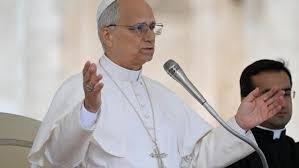
Pope Leo XIV has called for greater ethical awareness as artificial intelligence and automation become increasingly influential in everyday life.
During his first papal trip to France, the Pope warned that societies must ensure technological development does not weaken human dignity or replace essential human qualities.
‘What Can Be Done’ Versus ‘What Should Be Done’
Addressing the issue at the French presidential palace, Leo XIV highlighted the need for people to distinguish between technological capability and moral responsibility.

Artificial intelligence can now perform tasks that were once considered uniquely human. Its expanding use is transforming workplaces, education, healthcare, communication and other sectors.
The Pope said technological progress should therefore be accompanied by ethical education and sound moral judgment.
AI Brings Opportunities and Concerns
The rapid development of AI has created new opportunities for businesses, governments and individuals.
At the same time, it has raised concerns about job losses, privacy, misinformation and the consequences of allowing automated systems to influence important decisions.
Leo XIV’s warning goes beyond the question of how AI should be regulated. His message focuses on ensuring that humans remain responsible for the choices they make when using increasingly powerful technologies.
Protecting Human Relationships
The Pope also stressed the importance of qualities such as compassion, responsibility and human connection.
As automation expands, he urged societies not to allow efficiency and technological convenience to overshadow the value of human relationships.
His broader message is that technological advancement should serve humanity rather than reduce people’s ability to exercise meaningful judgment.
The debate over artificial intelligence is expected to intensify as governments, technology companies and international organizations develop new approaches to managing its social and ethical impact.