


The Federal Government has released details of the ₦15.8 trillion in resources mobilised from fuel subsidy removal and related economic reforms between June 2023 and December 2025, providing a clearer picture of how the additional funds were distributed and spent.
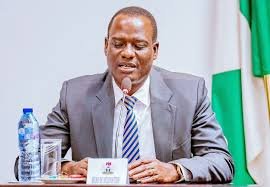
Minister of Finance and Coordinating Minister of the Economy, Taiwo Oyedele, disclosed the figures on Wednesday while presenting the government’s reform scorecard in Abuja.
According to Oyedele, the ₦15.8 trillion did not appear as a separate payment into the Federation Account labelled “subsidy savings”. Instead, the savings increased the resources available to the Federation through higher revenues and reduced subsidy-related expenditure.

Federal Government Received ₦5.4tn
The minister said the Federal Government received ₦5.4 trillion from the ₦15.8 trillion, while approximately ₦10.4 trillion was shared with state and local governments through the Federation Account.
Oyedele also disclosed that the Federal Government obtained an additional ₦11.9 trillion through borrowing during the same period.
In addition, government agencies generated about ₦3.1 trillion in independent revenue, bringing the additional resources available to the Federal Government from the different sources to a substantial level.
Where the Additional Resources Went
The government said the additional resources were used alongside existing revenues to meet major financial obligations and fund development programmes.
According to the reform scorecard, about ₦9.39 trillion went towards wage adjustments, minimum-wage increases and allowances for public-sector workers.
Another ₦9.37 trillion was used to service external debt, with the government citing the increased naira cost of foreign debt servicing following the depreciation of the currency.
The government also allocated about ₦6.5 trillion to strategic infrastructure projects.
Government Defends Subsidy Removal
The Tinubu administration has consistently argued that removing the petrol subsidy was necessary to create fiscal space and prevent deeper economic problems.
Oyedele said the reforms should be assessed not only by the immediate hardship they created but also by the economic distortions and fiscal pressures the government believes were avoided.
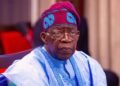
President Bola Tinubu has previously described the subsidy removal as a measure that helped prevent Nigeria from sliding towards bankruptcy.
However, the reforms have remained controversial because of their impact on household incomes and the cost of living. The removal of the subsidy, combined with naira reforms, contributed to significant increases in prices before inflation began to ease more recently.
The newly released figures are expected to fuel further debate over how the savings from subsidy removal have been distributed and whether Nigerians are seeing sufficient benefits from the government’s economic reforms.