


Uganda’s Parliament has approved the deployment of troops to Gaza as part of the proposed International Stabilization Force (ISF), a multinational peacekeeping mission backed by US President Donald Trump’s Board of Peace to help secure the territory after the prolonged Israel-Hamas conflict.
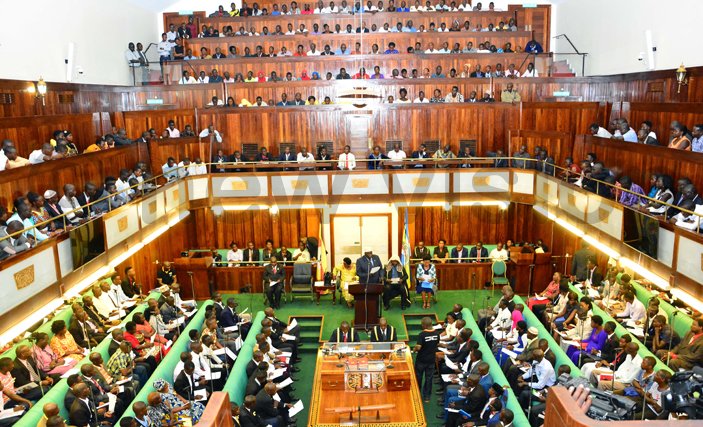
The motion, tabled by Defence Minister Kiryowa Kiwanuka, received parliamentary approval on Thursday, marking Uganda’s first official commitment to the planned international mission.
Uganda now joins Morocco, which has also pledged troops for the proposed peacekeeping force.

However, the decision sparked questions from opposition lawmakers, who demanded greater clarity on the country’s reasons for participating in the mission and how the deployment would be financed.
During the parliamentary debate, legislator Enos Asiimwe questioned the financial implications of the operation.
“We also need to know who will fund this mission and cover the cost of our troops’ deployment in Gaza,” he said.
In defending the proposal, Kiwanuka argued that Uganda possesses extensive peacekeeping experience gained through previous military operations in countries such as Somalia, making its armed forces well-equipped for international stabilisation missions.
The proposed ISF was first unveiled in February and is expected to be commanded by Major General Jasper Jeffers of the United States.
Jeffers previously indicated that the mission would comprise about 20,000 personnel tasked with maintaining security and supporting long-term peace and reconstruction efforts in Gaza.
The parliamentary approval follows last week’s announcement by President Trump that an agreement had been reached for Hamas to disarm and for Israeli forces to withdraw from Gaza under a broader peace arrangement.
Under the proposed framework, the international peacekeeping force would be deployed after the phased withdrawal of Israeli troops from the territory.
The agreement forms part of a wider ceasefire arrangement intended to end hostilities, with Israel expected to halt military operations while Hamas and other armed groups cease militant activities and begin a structured disarmament process.
Despite the announcement, Israeli authorities have expressed reservations about aspects of the agreement, saying they have communicated “serious security concerns” to the United States.
Although a ceasefire agreement was reached in October, violence has continued. Reports indicate that more than 1,250 people have been killed in Israeli military operations since the truce was announced, underscoring the fragile security situation in Gaza.