


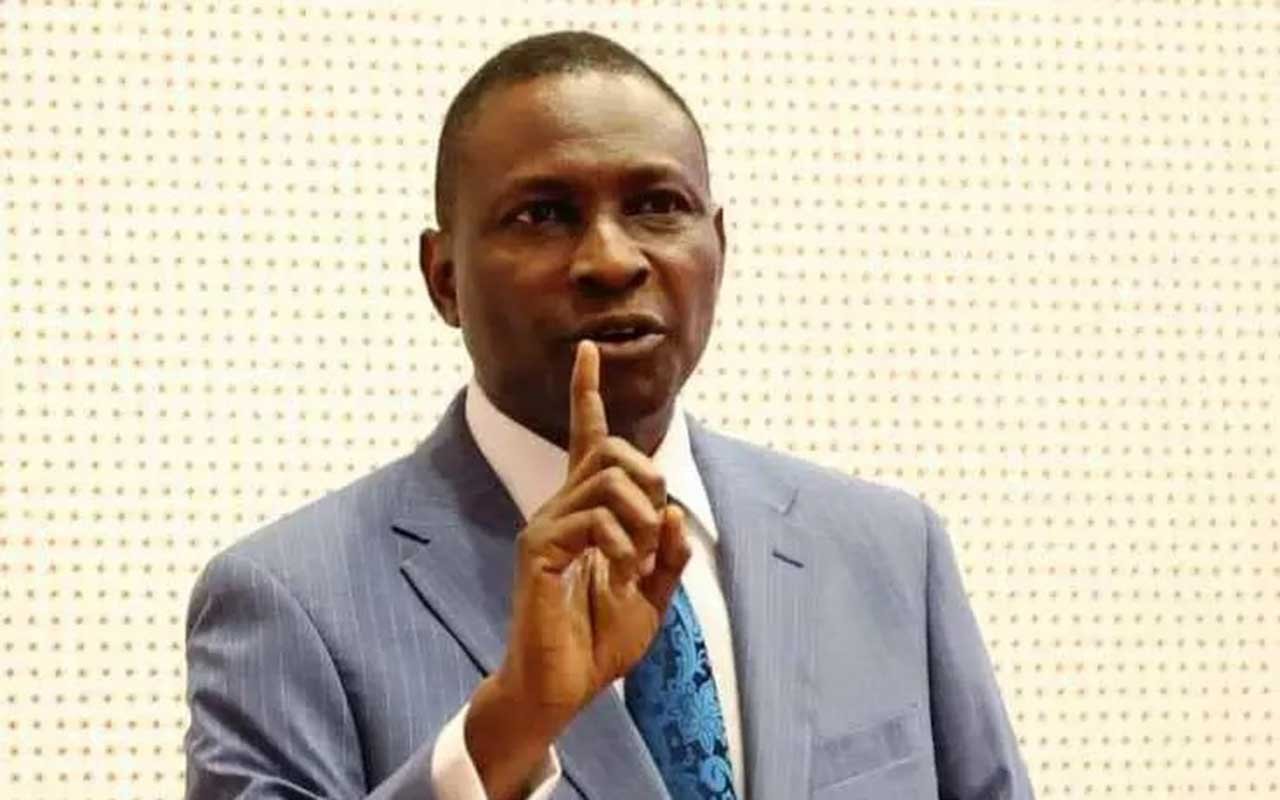
The Chairman of the Economic and Financial Crimes Commission (EFCC), Ola Olukoyede, is facing calls for his resignation following the controversy surrounding the temporary restriction placed on an account belonging to the Osun State Government.
The EFCC had placed a Post No Debit (PND) restriction on the Osun State Government’s account with First Bank, citing what it described as suspicious transactions.
The commission said it had been monitoring the account since March 2026 and maintained that it had the legal authority to impose a temporary restriction where there are reasonable grounds to suspect financial misconduct.

However, the development took a new turn on Thursday after President Bola Tinubu directed the EFCC to lift the restriction. The President described the timing of the commission’s action as inappropriate and embarrassing, particularly given the proximity of the Osun governorship election.
The decision generated significant reactions on social media. An EFCC statement explaining the restriction attracted more than 4,500 comments on X, with many users questioning the decision to restrict the account shortly before the election.
A post by the President’s Special Adviser on Information and Strategy, Bayo Onanuga, announcing the reversal also attracted more than 1,600 comments, with several users criticising both the Presidency and the anti-graft agency.
The controversy has now triggered calls from opposition political groups for Olukoyede to step down.
The Accord Party National Chairman, Maxwell Mgbudem, said the party had lost confidence in the EFCC leadership and accused the commission of acting in a politically motivated manner.
Speaking at a press conference in Abuja on Friday, Mgbudem called for Olukoyede’s resignation, alleging that the Osun account restriction had damaged the credibility of the anti-corruption agency and Nigeria’s reputation.
He argued that the EFCC and its leadership should not be shielded from scrutiny, insisting that accountability was necessary to strengthen democratic institutions.
The Accord Party also called on security agencies and other institutions involved in the Osun governorship election to remain impartial and operate within the law.
Similarly, NNPP National Chairman Major Agbo backed calls for Olukoyede’s resignation, although he criticised the President’s intervention as potentially undermining the independence of the EFCC.
Agbo said he was surprised by the presidential directive and argued that the commission should have been allowed to complete its investigation despite concerns about the timing of the restriction.
The Obidient Movement Worldwide National Coordinator, Dr Yunusa Tanko, also advised Olukoyede to consider resigning in order to protect his integrity.
Tanko argued that the President’s directive could create the impression that the EFCC chairman was politically influenced, despite Olukoyede’s previous insistence on the commission’s independence.
He said the controversy raised broader questions about the relationship between anti-corruption agencies and political authorities, arguing that the problem may extend beyond those executing directives to those issuing them.
The EFCC has maintained that its initial action was based on suspicious financial activities and its statutory responsibility to protect public funds.
The controversy has nevertheless intensified debate over the independence of Nigeria’s anti-graft institutions, the timing of law-enforcement actions during elections and the need to ensure that security and regulatory agencies operate without political interference.