


The United Nations has reported that a ransom of approximately 50 million dollars, paid in late 2025 for the freeing of a hostage in Mali, contributed to financing militants linked to Al-Qaeda and their advances across West Africa.
A recent UN report states that the majority of these funds were distributed to fighters in the Sahel region, with portions also reaching Al-Qaeda’s affiliate in the Arabian Peninsula and the group’s central leadership.
While the report does not reveal the hostage’s identity or specify who made the payment, regional sources suggest that the United Arab Emirates was responsible for the ransom. These sources also indicate that an Emirati citizen and two other foreign hostages were released following the transaction. Although the UAE did not comment on this particular incident, it affirmed its dedication to combating extremism and terrorism.

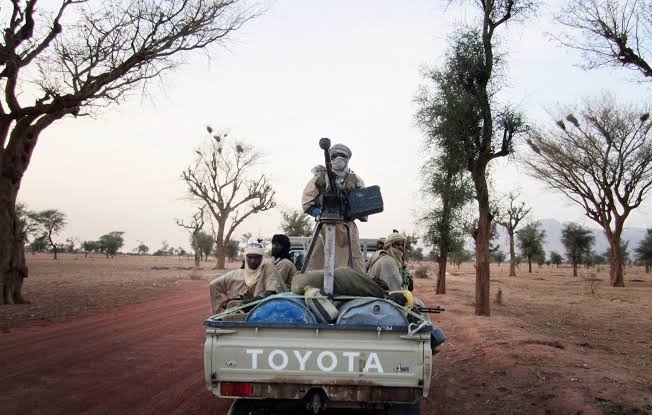
The UN highlights that kidnappings serve as both a funding source for militants and a tactic to undermine public confidence in governmental authorities. It further notes that the Mali-based JNIM coalition now has between 7,000 and 8,000 fighters across the Sahel, with half situated in Mali.
The report emphasizes that ransom funds are enabling militants to purchase weapons, support operations, and broaden their insurgency in the region.
Mali has faced a severe security crisis since 2012, driven by violence from groups associated with Al-Qaeda and the Islamic State, as well as by local criminal organizations and separatist movements. Following two military coups in 2020 and 2021, the nation has been under military rule, which came to power on the promise of restoring security, a pledge that has yet to be fulfilled.