


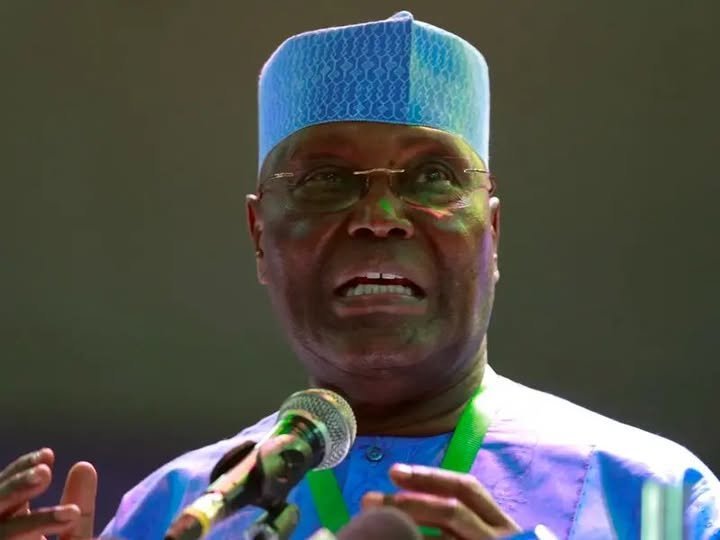
The Presidency has criticised the presidential candidate of the African Democratic Congress (ADC), Atiku Abubakar, over his promise to consider restoring the petrol subsidy if elected president in 2027.
Presidential spokesperson Sunday Dare described the proposal as “hypocrisy and deceit,” accusing the former vice president of attempting to win public support by promising to reverse one of President Bola Tinubu’s major economic reforms.
Atiku had said in a recent interview that his administration would consider bringing back the fuel subsidy, which was removed by the Tinubu administration in 2023.

Presidency Accuses Atiku of Political Manipulation
Reacting to the proposal, Dare said Atiku’s position was aimed at influencing voters ahead of the 2027 general elections.
He argued that reversing the subsidy removal would undermine what the government considers progress achieved through its economic reforms.
Dare accused Atiku of trying to exploit public frustration over the cost of living and fuel prices for political gain
He further described the proposal as an attempt to manipulate Nigerians into supporting Atiku at the polls.
Presidency Defends Tinubu’s Reform
The presidential spokesperson maintained that the government would continue to defend the policies introduced under Tinubu, despite the economic difficulties experienced by Nigerians following the removal of the subsidy.
Dare argued that the reforms were contributing to recovery in different sectors of the economy and warned that reversing them could disrupt the progress being recorded.
“The ongoing recovery across various sectors of our national life annoys you, and will be halted if this thinking of yours is implemented,” he said.
Fuel Subsidy Becomes 2027 Campaign Issue
The exchange highlights the growing importance of fuel pricing and economic policy in the 2027 presidential contest.
While the Tinubu administration has defended the removal of the subsidy as necessary to reduce government expenditure and redirect resources, opposition figures have continued to criticise the impact of the policy on households and businesses.
Atiku’s position has therefore opened another major policy debate ahead of the election, with the two political camps offering sharply different views on how Nigeria should manage fuel prices and the broader economy.
The controversy is expected to intensify as political parties and presidential candidates step up their campaigns ahead of the 2027 election.