



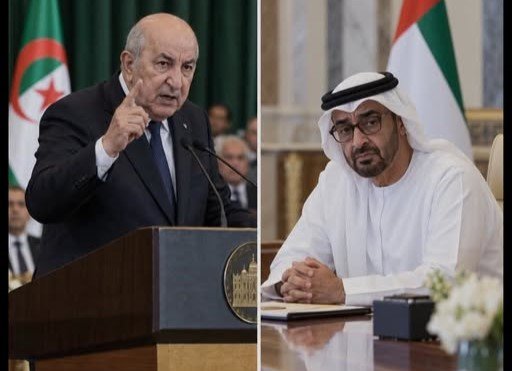
A growing diplomatic dispute between Algeria and the United Arab Emirates has taken a major turn after Algiers announced that it was ending diplomatic relations with Abu Dhabi.
The decision has raised questions about the deeper regional tensions behind the move, particularly regarding developments in the Sahel and Libya.
Smail Debeche, a professor of international relations at the University of Algiers III, said the dispute should not be viewed solely as a disagreement between two governments.

According to Debeche, Algeria’s action reflects growing concerns about the UAE’s activities across the region, including its perceived role in parts of the Sahel and Libya.
Algeria’s Foreign Ministry announced the decision on Thursday in a statement carried by the country’s state media.
While the ministry did not point to one particular event, it accused the UAE of engaging in actions it described as provocative and hostile. Algerian authorities also criticised what they called unjustified behaviour by the UAE.
The ministry said Algeria had attempted to preserve relations with the Gulf state but concluded that those efforts had been exhausted.
Debeche also highlighted tensions surrounding media coverage of wildfires in Algeria, saying recent UAE reporting on the incidents contributed to the perception that relations between the countries had become increasingly unfriendly.
The latest development could have wider implications because Algeria and the UAE have interests across several strategically important parts of Africa and the Middle East.
The Sahel, in particular, has become an important arena for competing political, security and economic interests, while Libya remains a major point of regional concern.
Despite the diplomatic split, Debeche believes dialogue should not be completely abandoned.
He said Algeria and the UAE should meet under the framework of the Arab League and work towards preserving a minimum level of cooperation between Arab countries.
The diplomatic crisis now leaves the two governments facing the challenge of managing their differences while navigating broader regional tensions.