



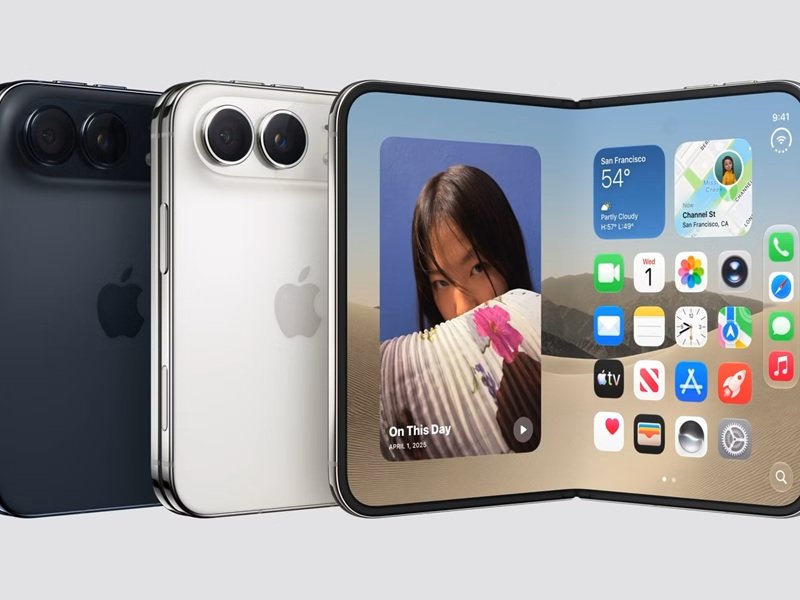
Apple is pushing deeper into the next phase of smartphone technology with the introduction of the iPhone 18 Pro and iPhone 18 Pro Max, alongside its move into the foldable device market.
The latest generation comes as global smartphone makers compete to deliver more powerful artificial intelligence features, better cameras, longer battery life and new form factors.
For Apple, the objective is not simply to produce a faster smartphone but to make the iPhone an increasingly intelligent part of its wider technology ecosystem.

Intelligence Becomes a Major Selling Point
Artificial intelligence has become one of the biggest differentiators in the smartphone industry, and Apple is placing its Apple Intelligence technology at the heart of the new iPhone experience.
The technology is intended to make various everyday functions more personalised and efficient, ranging from communication and productivity to other tasks performed directly on the device.
As AI applications become more sophisticated, smartphone processors are also being required to handle increasingly complex workloads.
More Power Under the Hood
The iPhone 18 Pro is equipped with Apple’s A20 Pro chip, designed to provide the processing power needed for AI applications, gaming, photography, video editing and other demanding activities.
Apple is also focusing on efficiency as devices become more powerful.
The company has introduced thermal-management improvements, including a new-generation vapour chamber designed to help dissipate heat during intensive use.
Battery performance is another area of attention, with the Pro Max model offering the most significant battery-life improvement within the new lineup, according to the supplied report.
Cameras Continue to Drive Competition
The smartphone camera has become one of the most important factors influencing premium-device purchases.
Apple’s latest Pro models continue that trend with an upgraded camera system and additional controls intended to give users more creative options when capturing photographs and video.
The development comes as smartphone manufacturers increasingly compete to offer cameras capable of producing professional-looking content without requiring separate equipment.
The Foldable iPhone Arrives
Apple is also reportedly opening a new chapter with the iPhone Duo, its first foldable iPhone.
Foldable smartphones have already gained traction among consumers, with Samsung, Google and Chinese manufacturers competing in the category.
Apple’s entry could significantly reshape the market, particularly because of the company’s enormous global customer base and tightly integrated hardware and software ecosystem.
The foldable device also represents a departure from the conventional smartphone design that has dominated the market for years.
The Price Question
Despite the technological advances, consumers still face an important question: does the new generation offer enough value to justify its premium price?
Competition is becoming tougher, with rival manufacturers offering increasingly capable smartphones across different price ranges.
For existing iPhone owners, the decision to upgrade could ultimately depend on whether the new AI capabilities, camera improvements, processing performance, battery efficiency and design changes provide meaningful benefits in everyday use.
Apple’s latest products therefore represent more than another annual smartphone refresh. They reflect a broader shift in the industry towards AI-powered computing, advanced mobile photography, longer-lasting devices and new designs such as foldable screens.
The smartphone race is entering another phase, and Apple appears determined to remain at the centre of it.