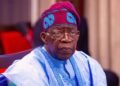



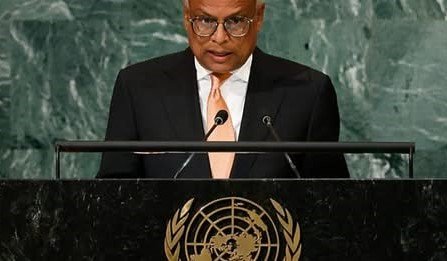
Cape Verde is preparing for a presidential election on November 15, with President José Maria Neves confirming that he will seek another five-year term.
The 66-year-old president announced his decision in Praia on Monday.
Neves said he wants to build on the experience gained during his first term and continue working on issues he believes require long-term attention.

Nine Candidates Declare Interest
Neves is among at least nine people who have announced plans to contest the presidency.
However, declaring an intention to run does not automatically make a candidate eligible.
Those seeking the presidency must submit the required documents to the country’s Constitutional Court before Wednesday.
The electoral system also has a distinctive feature.
Presidential candidates are formally put forward by civil society figures. Political parties can endorse or support candidates, but the president cannot be a member of a political party.
Neves Looks to PAICV for Support
Neves has indicated that he hopes to receive the backing of the African Party for the Independence of Cape Verde, commonly known as PAICV.
He previously served as the party’s leader.
However, the president is also seeking support beyond the party and has called for broader backing for his re-election campaign.
Janira Hopffer Almada to Serve as Interim President
National Assembly President Janira Hopffer Almada is expected to serve as interim president for the next two months following Neves’ announcement.
The development comes as the country begins preparations for the November vote.
Neves first became president in 2021.
Before that, he served as prime minister for 15 years, from 2001 until 2016.
A Stable Democracy in West Africa
Cape Verde is made up of islands in the Atlantic Ocean, around 600 kilometres from the West African coast.
The country was formerly ruled by Portugal and became independent in 1975.
Since holding its first free elections in 1991, Cape Verde has developed a reputation for political stability.
Unlike several countries across the region, it has avoided major electoral violence.
The country has also experienced peaceful periods of political cohabitation, with different political parties controlling the presidency and government.
Economic Pressures Remain
Despite its political stability, Cape Verde faces significant social and economic pressures.
Poverty remains an issue, while unemployment among young people continues to challenge the country.
Those concerns could feature prominently in the election campaign.
As the November vote approaches, Neves will now seek to convince voters that his leadership should continue for another five years.