


Residents across The Gambia are increasingly frustrated by months of electricity shortages, with frequent and prolonged blackouts disrupting homes, businesses and daily life.
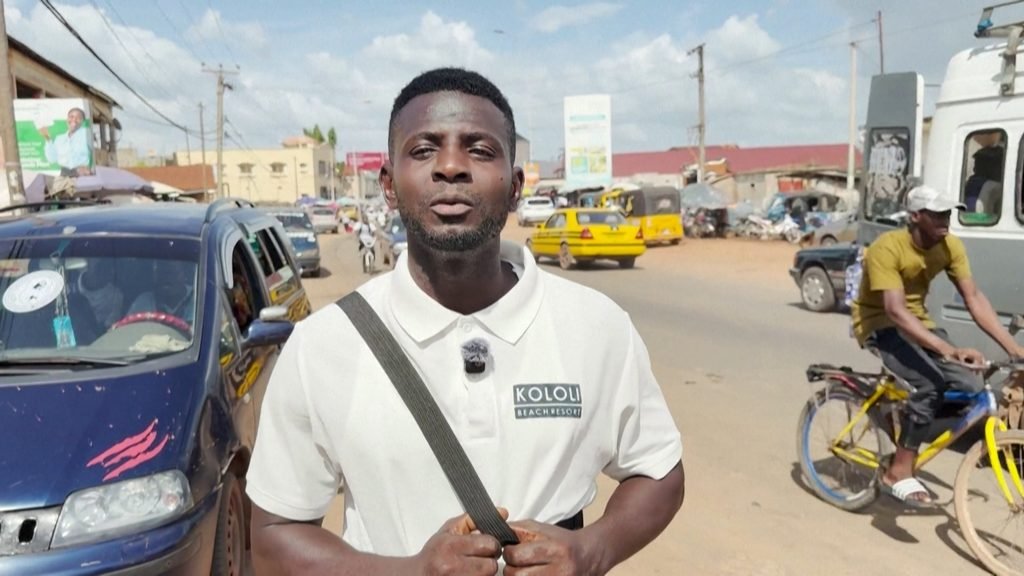
The situation has reportedly worsened in recent weeks, leaving some residents without electricity for an entire day. Market vendor Jula Jagne summed up the growing frustration, saying residents are tired of the persistent problem.
The National Water and Electricity Company (NAWEC) attributed the latest disruptions to an unexpected increase in electricity demand during a period of high temperatures, alongside a technical fault affecting one of its major generating units.

The utility warned that the challenges would require load shedding in several parts of the country, further adding to the difficulties faced by communities already dealing with repeated power interruptions.
The impact has been particularly severe for businesses that depend on electricity to operate. Traders and other business owners face challenges keeping goods refrigerated, maintaining communication and running their daily activities, while households are struggling with the uncertainty surrounding when power will be restored.
Anger over the situation spilled onto the streets on Monday night, when protesters gathered at several locations.
Demonstrators were reported around President Adama Barrow’s official residence in Banjul, where they reportedly burned tyres, erected barricades and called for the president to leave office. Police used tear gas to disperse the protesters.
Similar demonstrations were reported in Farato, where protesters gathered near the residence of Vice President Mohammed B.S. Jallow and targeted an office belonging to the ruling National People’s Party.
The government has acknowledged the seriousness of the electricity crisis.
Information Minister Ismaila Ceesay described the protests as “deeply disconcerting” and apologised to people affected by the blackouts. He said the government understood the frustration and hardship caused by the continuing electricity problems.
President Barrow also visited NAWEC facilities as the government sought to respond to the crisis. He promised that additional generators would arrive during the week and said efforts were underway to restore dependable electricity.
Barrow has pledged that the electricity crisis will be resolved and reliable power restored by the end of October.
The worsening power situation comes as The Gambia approaches a presidential election expected in December. Barrow is seeking a third term, meaning the government’s response to the electricity crisis could become a significant issue during the campaign.
For residents, however, the immediate priority remains access to reliable electricity.
With NAWEC working to address technical problems and increase generation capacity, communities across the country are waiting to see whether the promised additional generators will bring meaningful relief after months of blackouts.