


A butcher in the Iraqi city of Najaf has been sentenced to 10 years in prison after authorities accused him of selling pork as beef.
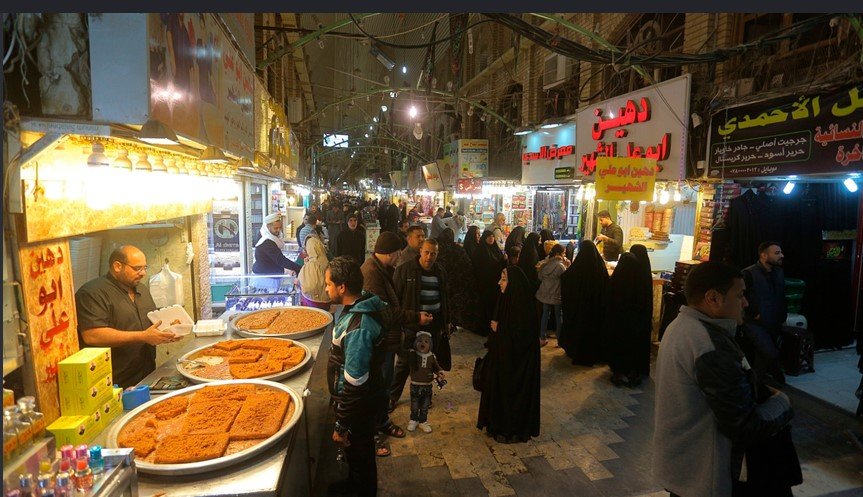
The case has attracted national attention because of Najaf’s deep religious importance to Shia Muslims.
Authorities said the suspect had 75kg of pork when he was arrested.

Cheap Meat Raises Suspicion
The investigation reportedly began after complaints about a butcher selling unusually cheap minced meat.
Customers had reportedly praised the quality of the product.
However, security officials began looking into the source of the meat.
Investigators allegedly discovered that the shop owner had been hunting wild boar near Kufa.
The meat was then reportedly processed and sold to customers as beef.
Authorities Move Quickly
Security forces arrested the butcher on September 9.
Images and videos circulated online following the arrest.
They reportedly showed slaughtered wild pigs at the location.
The case was later sent to the Najaf Criminal Court.
The Supreme Judicial Council announced the 10-year sentence on September 14.
The Crime Was Not Simply Selling Pork
One of the most important details in the case concerns Iraqi law.
Claims that Iraq has now banned the sale of pork are misleading.
The prosecution was reportedly based on the alleged fraudulent sale of meat as another product.
Authorities relied on a 1998 law concerning meat considered unsuitable for human consumption.
The legal argument therefore focused on food fraud and consumer deception rather than simply possessing pork.
Religious Sensitivity Fuels Outrage
The location made the incident particularly sensitive.
Najaf is regarded as one of the holiest cities in Shia Islam.
It houses the shrine of Imam Ali and receives large numbers of pilgrims.
For many residents, the alleged sale of pork as beef was therefore more than an ordinary case of food fraud.
It was seen as a serious violation of religious expectations and consumer trust.
The story quickly spread across Iraqi social media.
Some users expressed anger.
Others responded with jokes and memes about the customers who may have unknowingly eaten pork.
Muqtada al-Sadr Calls for Action
Influential Shia cleric Muqtada al-Sadr also reacted to the controversy.
He called for stronger inspections of butcher shops, restaurants and markets across Najaf.
His comments increased attention on the city’s food-safety system.
Questions for Food Regulators
The case has also exposed concerns about food inspection.
If the allegations are confirmed, the meat reportedly entered the city’s food chain without customers knowing its true origin.
That raises several questions.
How frequently are butcher shops inspected?
How is meat tracked from its source to retail outlets?
Are existing laws strong enough to deal with deliberate food substitution?
These questions could become more important following the court ruling.
What the Case Really Means
The 10-year sentence has generated significant public discussion.
However, it is important to distinguish the actual court case from claims spreading online.
The available account indicates that the butcher was punished for the alleged fraudulent sale of meat, not simply because he possessed pork.
The case could now lead to renewed debate about food safety, consumer protection and the need for clearer laws governing meat sales in Iraq.