



Niger’s capital, Niamey, was calm on Sunday after security forces brought an attempted military mutiny under control, ending a tense confrontation that erupted around the presidential palace a day earlier.
The unrest began in the early hours of Saturday when a group of soldiers reportedly moved against government positions.
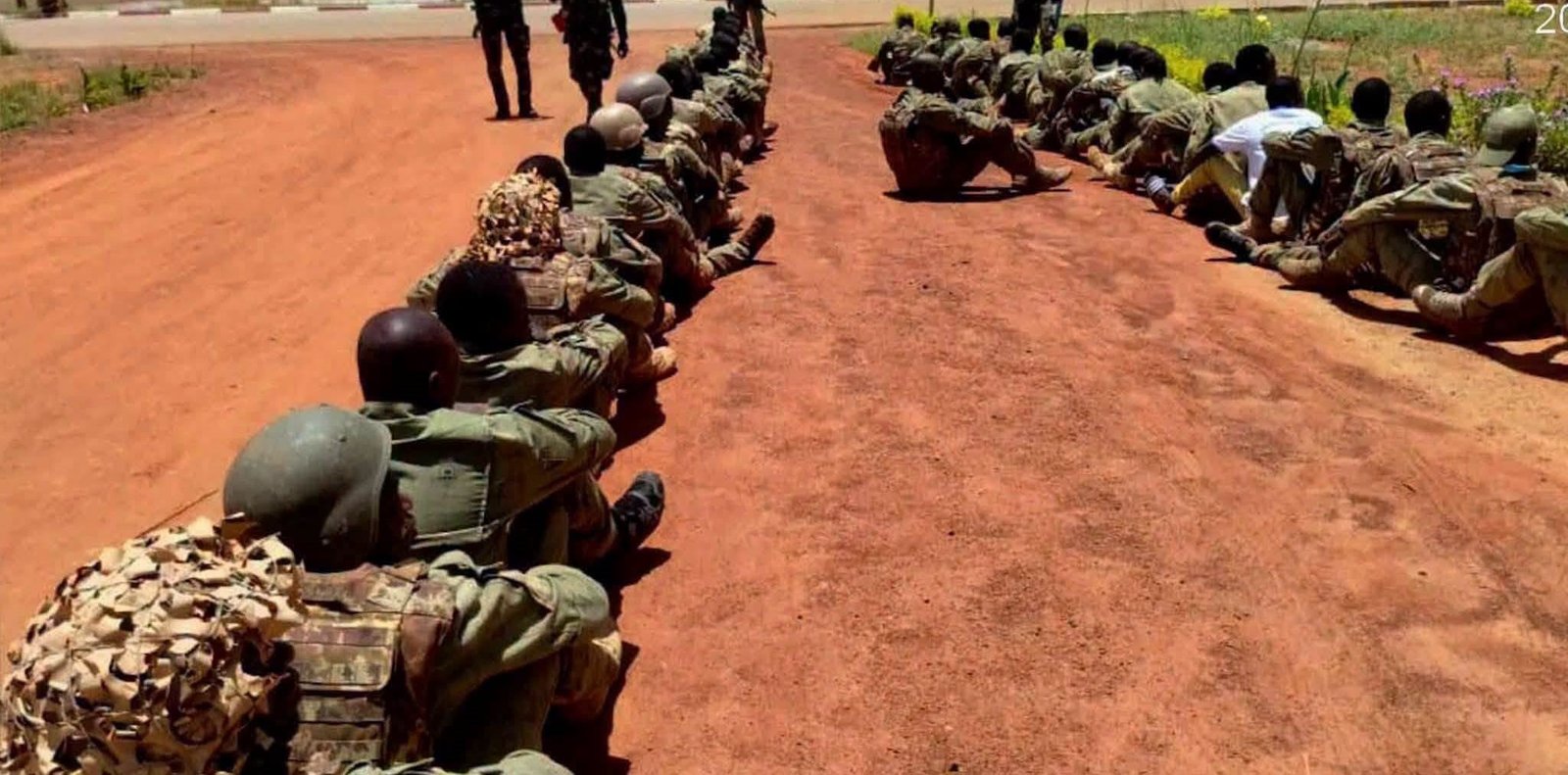
The confrontation quickly escalated into heavy fighting, with several soldiers reportedly killed and dozens taken into custody after the attempt was stopped.

By the following day, the streets of Niamey had returned to relative normality.
For many residents, however, the incident has raised fresh concerns about the direction of the country and the ability of the military government to deal with mounting security pressures.
Why Did the Soldiers Revolt?
Reports surrounding the mutiny suggest that dissatisfaction over the government’s response to armed insurgency may have played a role.
Niger has struggled for years with attacks by jihadist groups operating across its territory, including factions affiliated with Islamic State and Al-Qaeda.
The security situation has remained particularly difficult in areas affected by cross-border militant activity.
One Niamey resident, Hassane Assoumane, said a mutiny within the armed forces should be viewed as a sign that authorities need to pay attention to the concerns of soldiers.
He said the government would now have to decide how best to respond to the grievances behind the attempted uprising.
Tiani’s Security Promise Under Pressure
General Abdourahmane Tiani seized power in Niger three years ago after a military coup that removed the elected government.
The junta presented improved security as one of its major priorities.
Yet militant violence has continued despite the change in leadership and Niger’s restructuring of its international partnerships.
The latest mutiny therefore creates another difficult moment for Tiani, whose administration must maintain control within the armed forces while fighting insurgent groups across the country.
From France to New International Partners
The military government has also dramatically altered Niger’s foreign relations.
Tiani’s administration has moved away from France, the country’s former colonial power, while developing relationships with alternative partners.
Russia has become an increasingly important security partner, alongside engagement with countries such as Turkey and Iran.
Reports indicate that Russia’s Africa Corps assisted Nigerien forces during Saturday’s confrontation.
The development illustrates how Niger’s security strategy has changed since the 2023 coup and reflects the wider transformation of alliances across the Sahel.
Niamey Returns to Normal
Despite the violence, authorities appear to have restored control of the capital.
Residents were able to resume their normal activities on Sunday, suggesting that the attempted mutiny had not resulted in a prolonged breakdown of order in Niamey.
Nevertheless, the episode has exposed another layer of vulnerability for Niger’s military government.
The country is already confronting a persistent jihadist threat, and internal divisions within the security forces could make the situation even more complicated.
The immediate crisis may have ended, but the questions surrounding military morale, national security and the government’s strategy against armed groups are unlikely to disappear quickly.
For General Tiani and his administration, the challenge now is not only to maintain control but also to demonstrate that the promises made after the 2023 coup can translate into greater security and stability for Niger.