


The race towards Nigeria’s 2027 general elections is beginning to reshape the political landscape, with opposition parties opening discussions on how they can coordinate their efforts and possibly present a stronger challenge at the polls.
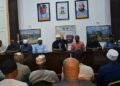
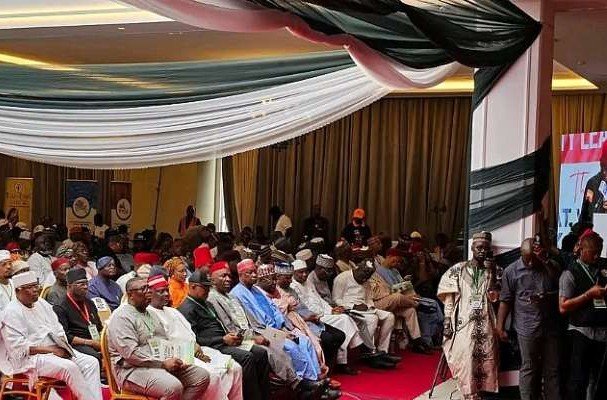
Political representatives from different opposition platforms gathered in Abuja for a summit convened by the G-100 at the Shehu Musa Yar’Adua Centre.
The central theme of the meeting is “A Framework for Opposition Cooperation and Coordination.”

Among the parties represented are the African Democratic Congress, Allied Peoples Movement, National Democratic Congress, Peoples Democratic Party, Peoples Redemption Party and Social Democratic Party.
Why Opposition Unity Is Back on the Agenda
The push for cooperation is largely driven by concerns over vote splitting.
If several opposition parties field separate presidential candidates who appeal to similar groups of voters, their combined support could be divided across multiple candidates.
The G-100 believes a more coordinated strategy could improve the opposition’s chances by bringing different political groups together around areas of shared interest.
However, the current discussions are not being presented as an immediate attempt to produce a single presidential candidate.
Instead, the organisers want the parties to first establish a process for cooperation.
Different Parties, Different Interests
The road to a united opposition is likely to be complicated.
Each participating party has its own leadership, political structure and supporters.
Some prominent opposition figures are also expected to have ambitions of their own as the 2027 presidential contest takes shape.
Agreeing on which party should take the lead, how candidates would be selected and what an eventual alliance would look like could therefore become some of the most difficult issues facing the negotiations.
For now, the strategy appears to be to keep the conversation open and gradually build trust among the different political groups.
Beyond Defeating the Incumbent
Political alliances often become easier to form when parties share a common electoral objective, but maintaining such cooperation after an election can be considerably more difficult.
That is why the Abuja discussions could eventually face questions beyond candidate selection and voting arrangements.
Nigerians may want to know what policies the opposition parties would jointly support, how they would address economic challenges and insecurity, and what kind of government they intend to establish if given the mandate.
The success of the current initiative will therefore depend not only on whether the parties can agree to cooperate, but also on whether they can develop a convincing common vision.
Early Test for the Opposition
The G-100 summit marks an early attempt to bring several opposition interests into the same conversation.
Whether that effort develops into a lasting political alliance remains to be seen.
But as the 2027 elections draw closer, the ability of opposition parties to manage their differences could become one of the defining stories of Nigeria’s next electoral cycle.