


The groups declared their refusal to engage in the proposed dialogue or acknowledge any outcomes from it, asserting that a meaningful peace cannot be achieved while hostilities persist across Sudan.
Opposition Raises Concerns About Burhan’s Dialogue Proposal
The attendees emphasized that a credible political process should start with efforts to halt the war and address the humanitarian crisis.

They criticized the exclusion of the Rapid Support Forces (RSF), led by General Mohamed Hamdan Dagalo, known as Hemedti, from the talks. The opposition argued that leaving out a key conflict party hinders any chance of reaching a comprehensive settlement.
Former Prime Minister Abdalla Hamdok underscored that a genuine peace process necessitates an end to hostilities.
Concerns Over Political Fragmentation
Participants accused Burhan of attempting to use the dialogue proposal as a means to consolidate and legitimize his power after the 2021 military coup.
They cautioned that proceeding with a dialogue lacking wide participation might exacerbate Sudan’s political divisions and complicate efforts for conflict resolution.
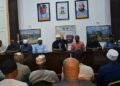
The meeting included representatives from various Sudanese political movements and civil society organizations, such as members of the National Congress Party, the Umma movement, and the Summud peace coalition.
Ongoing Conflict in Sudan
Since April 2023, Sudan has been mired in a severe conflict between forces loyal to Burhan and the RSF.
This fighting has resulted in substantial casualties, displaced millions, and triggered an acute humanitarian crisis.
Efforts through diplomatic channels have yet to achieve a sustainable ceasefire, with both sides accusing each other of committing atrocities and violations.
The Addis Ababa meeting underscores intensifying arguments over determining Sudan’s political future.
According to opposition groups, an inclusive peace process that can end the conflict is crucial, rather than engaging in a dialogue they fear might legitimize one side of the conflict.