


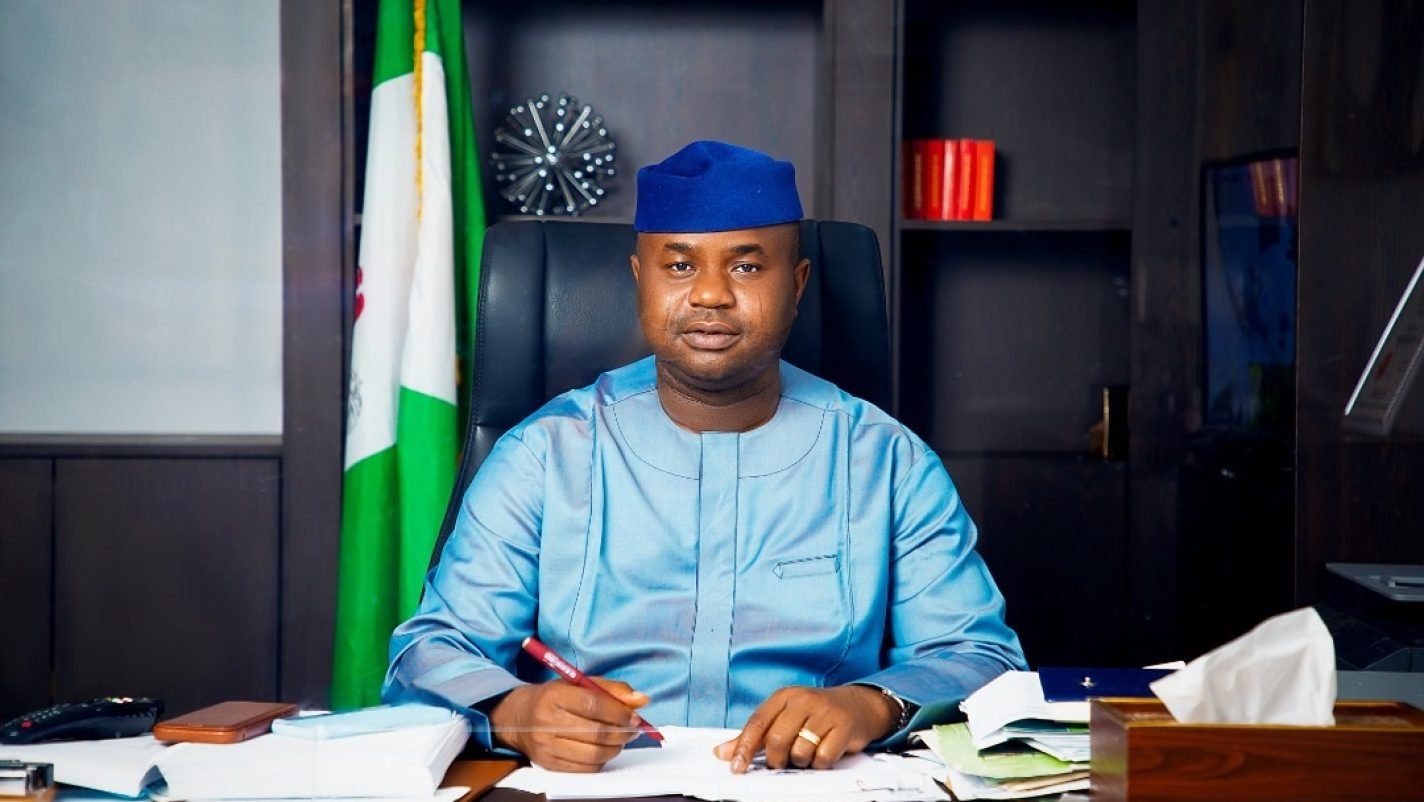
Zacch Adedeji, the Chairman of the Nigeria Revenue Service, hailed the removal of the petrol subsidy as one of the best developments for Nigeria, commending President Bola Tinubu for his decisive action. He attributed the positive economic changes the country is experiencing largely to this decision, describing the subsidy as both unsustainable and harmful to Nigeria’s economy.
Adedeji noted that the subsidy regime had lingered for decades despite its detrimental effects. The promising results that have emerged are linked to the removal of the subsidy, which he labeled as fundamentally necessary for the nation’s progress. According to Adedeji, President Tinubu took over an economy burdened by an unsustainable subsidy, an underperforming oil sector, and a limited tax base—challenging issues that the administration has begun addressing.
He argued that economic reforms should be evaluated on their merits rather than emotions, highlighting the necessity of these measures for economic restructuring. Adedeji dismissed criticism of the reforms, emphasizing that the administration has made significant changes to Nigeria’s economic framework that some critics may not fully appreciate yet.

He urged those contemplating challenging the Tinubu administration before the 2027 elections to clarify their alternative plans for tackling economic issues. Adedeji underscored the need to question whether critics disagree with actions such as the removal of fuel subsidies or unification of exchange rates.
The Chairman warned that maintaining the subsidy could have further strained Nigeria’s finances, especially with economic pressures from global energy markets and geopolitical tensions. Without the reform, he stated, the subsidy bill might have soared to ₦53 trillion, with exchange rates potentially hitting ₦3,500 per dollar.
The decision to remove the petrol subsidy was announced by President Tinubu on May 29, 2023, leading to a steep rise in petrol prices and affecting transportation, food, and production costs. Although this policy has bolstered government revenue and allocations across different government levels through the Federation Account, its impact on living costs continues to be a major concern.