



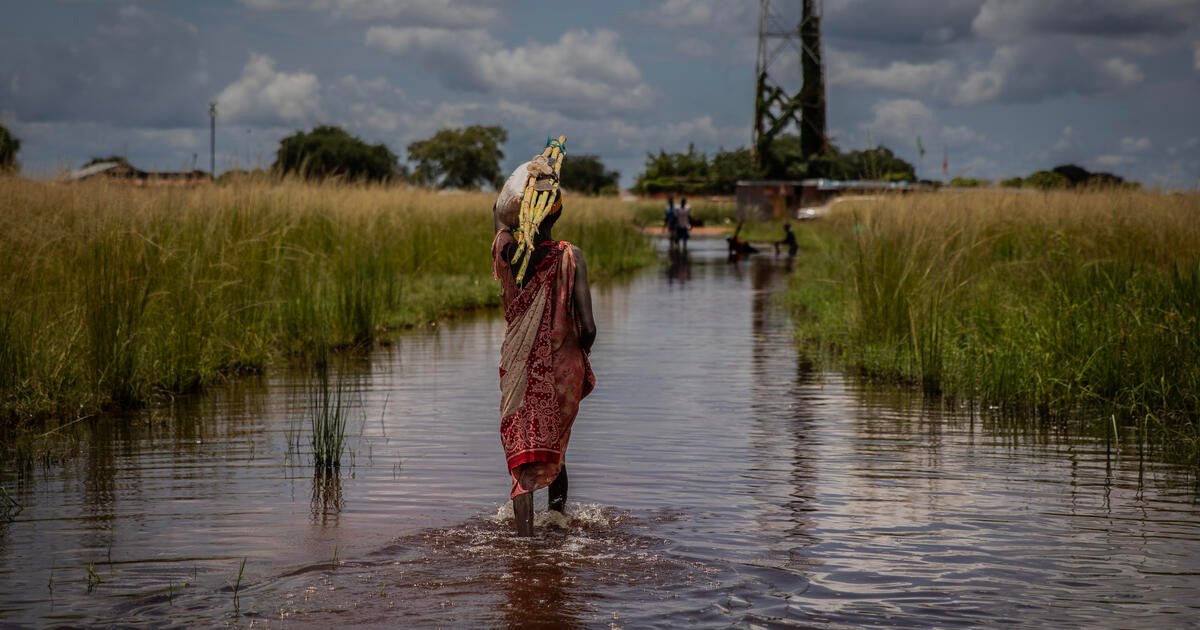
Sudan’s farms are facing severe challenges as El Niño causes unusually low Nile water levels and delays in rainfall, intensifying an existing agricultural crisis. Farmers along the Nile struggle to irrigate their fields, while communities unite in prayer for rain amidst the drying soil.
This crisis is compounded by ongoing war, rising agricultural costs, and disruptions in fuel and fertilizer supplies. The El Niño climate pattern is impacting global weather, causing delayed rains in Sudan and the Nile basin, creating prolonged dry spells and inadequate precipitation.
Research led by Elfatih Eltahir from MIT highlights the link between El Niño and reduced Nile flows, increasing drought risks in southeastern Sudan and northwestern Ethiopia. Concerns are growing over low water levels at Ethiopia’s Grand Renaissance Dam, crucial for downstream farmers in Sudan.

In Gedaref State, near Ethiopia, farmers are already seeing crops and livestock at risk from delayed rains. Fields remain arid and brown instead of lush by August, prompting farmers to gather with religious leaders to pray for much-needed rain. Agriculture authorities advise considering drought-resistant crops and delaying planting, but high cultivation costs worsen the situation.
Since April 2023, Sudan’s agricultural sector has been further devastated by conflict between the army and paramilitary Rapid Support Forces, displacing millions and disrupting markets. High fuel and fertilizer costs due to import reliance add to farmers’ woes, leading some to abandon their fields.
Farmers in Al-Jazira State face similar struggles with land recovery post-conflict and impending drought threats. With river levels low and multiple challenges looming, a significant portion of Sudan’s arable land remains unused, jeopardizing food production amid widespread hunger.
For those still farming, there remains a hopeful anticipation: that the rains will arrive before another harvest season is lost.