


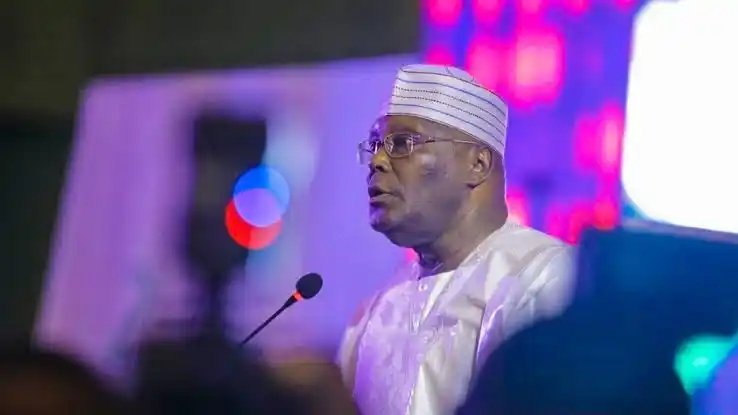
The presidential candidate of the African Democratic Congress (ADC), Atiku Abubakar, has criticised the electoral influence of former President Olusegun Obasanjo, claiming that northern voters played a decisive role in his victory in the 1999 presidential election.
Atiku made the remarks while speaking with journalists on Wednesday, as tensions between the former president and his former deputy resurfaced over their political relationship and the events surrounding the 1999–2007 administration.
According to Atiku, Obasanjo was unable to secure victory in his home state or across the South-West during the 1999 election.

“In 1999, he could not even win his own state or the South-West; it was Arewa that made him President. He possesses no electoral value,” Atiku said.
Renewed Clash Between Former Political Allies
The latest comments are part of a growing public dispute between the two former leaders.
Obasanjo recently described his decision to select Atiku as his running mate in 1999 as the “biggest mistake” of his presidency. He also accused his former deputy of disloyalty and alleged involvement in efforts to remove him from office.
Atiku has rejected Obasanjo’s version of events, accusing the former president of presenting a selective account of their political history.
The former vice president has maintained that he played an important role in building the political structure that helped secure their joint victory in 1999.
Atiku Highlights Record on Youth Opportunities
While addressing the 2027 presidential contest, Atiku also pointed to what he described as his record of creating opportunities for young Nigerians during his time as vice president.
He said several beneficiaries of those opportunities later became governors, ministers, directors and other senior public officials.
Atiku promised that a government led by him in 2027 would continue to provide opportunities for young Nigerians to participate in governance and take on leadership responsibilities.
2027 Election Battle
Atiku is seeking the presidency under the ADC as opposition politicians work to build a broader political platform ahead of the 2027 general elections.
His latest remarks against Obasanjo add another dimension to the political debate, as prominent figures continue to debate their records, influence and roles in Nigeria’s political history.
The renewed exchange between the two former allies is likely to remain a major talking point as political activities intensify ahead of the 2027 presidential election.