


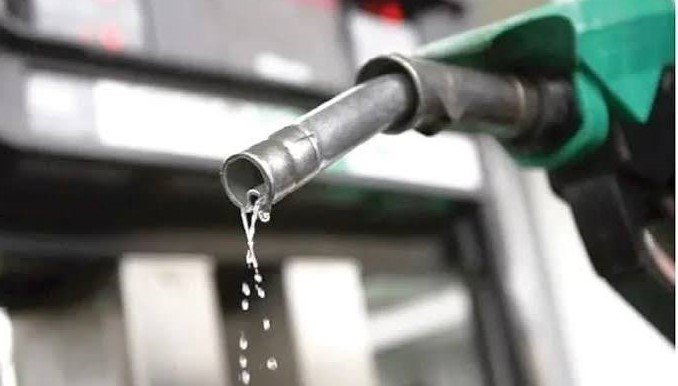
Nigerians are facing fresh pressure on household and transportation costs as petrol prices continue to rise across the country.
The product is now selling for around N1,500 per litre in some states, while several other locations are recording prices above N1,400.
The increase has triggered calls from organised labour and petroleum marketers for government intervention.

Labour Demands Relief for Workers
The Nigeria Labour Congress wants the Federal Government to introduce urgent measures to protect workers from the effect of rising fuel prices.
NLC President Joe Ajaero said the government should consider reasonable wage awards to workers.
The union also called for crude oil to be supplied to domestic refineries through naira-based transactions.
The NLC said the rising cost of petrol could have a wider effect on the economy.
When transportation becomes more expensive, the cost of moving food and other goods can also increase.
Transport Costs Begin to Rise
The impact is already being felt by motorists and commercial transport operators in several states.
In Kano, some tricycle operators have increased fares after petrol prices rose to between N1,460 and N1,500 per litre.
A journey that previously cost N200 in some locations now costs about N300.
Longer journeys have also reportedly become more expensive.
Similar concerns have emerged in Benue, Kaduna, Plateau and other states.
In Benue, for example, petrol was reported at between N1,430 and N1,470 per litre.
Transport fares have also increased on some routes.
Northern States Record Higher Prices
Some of the highest reported pump prices are coming from northern states.
In Yobe, motorists reported prices between N1,500 and N1,520 per litre.
Sokoto recorded prices of about N1,465 to N1,500.
In Borno, petrol was selling for around N1,500 in parts of Maiduguri.
Zamfara also recorded prices of about N1,450 to N1,500.
Some areas of Taraba recorded even higher prices.
Global Oil Market Adds to Pressure
The latest increase comes as international crude oil prices remain elevated.
Global oil markets have been affected by the conflict involving the United States and Iran and concerns over crude supply and shipping routes.
Brent crude recently traded above $100 per barrel, increasing pressure on petroleum product prices.
Nigeria’s petrol market is therefore facing pressure from international crude prices as well as domestic market conditions.
Dangote Refinery Adjusts Petrol Price
Dangote Petroleum Refinery recently increased its petrol gantry price to N1,350 per litre.
The new price took effect on September 12. The previous gantry price was N1,265.
The adjustment has been followed by higher pump prices at several filling stations.
Recent reports indicate that the refinery’s petrol price has increased several times since August.
Marketers Seek Government Intervention
Fuel marketers have urged the government to find ways of reducing the effect of international crude price movements on domestic petrol prices.
IPMAN spokesperson Chinedu Ukadike said Nigeria could consider supplying crude to local refineries under a stable pricing arrangement.
He argued that this could provide refineries with greater certainty and reduce the immediate impact of international price changes.
However, the proposal remains part of the wider debate over how Nigeria should manage its domestic petroleum market.
NLC Raises Competition Concerns
The labour movement has also raised concerns about the growing influence of Dangote Refinery.
NLC officials have called for greater competition in the petroleum market.
They have also urged the government to revive public refineries and support other domestic refining facilities.
Meanwhile, consumers continue to deal with higher fuel and transportation costs.
With petrol prices already reaching N1,500 in some areas, attention is now focused on what steps the Federal Government and industry stakeholders may take to prevent further pressure on households and businesses.
Source: The PUNCH and statements from the Nigeria Labour Congress and petroleum industry stakeholders.