


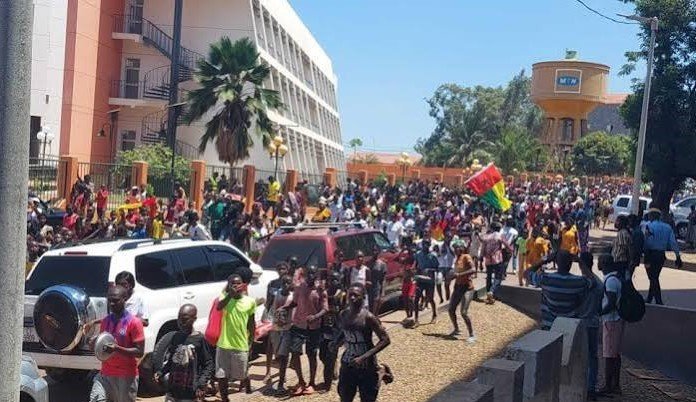
Guinea-Bissau is set to vote on a new constitution on Sunday, August 30, through a referendum that could significantly alter the country’s political landscape ahead of the general elections scheduled for December.
This vote follows a period of political upheaval, occurring less than a year after military officers took control in a coup, just as electoral authorities were ready to announce the results of a presidential election.
The proposed constitutional changes aim to grant the president increased powers, including appointing and dismissing the prime minister and cabinet, creating or abolishing ministries, and leading the Council of Ministers.

Furthermore, the president could dissolve parliament during severe political crises and dismiss the government under specific conditions.
The reforms propose reducing the size of parliament from 102 to 65 seats and decreasing the number of electoral constituencies from 29 to 12.
Supporters believe these changes could enhance government efficiency and reshape political institutions. However, critics express concern that these reforms might concentrate too much power in the presidency.
Professor Manuel Nobre de Barros from Lusofona University in Guinea-Bissau noted that these changes would significantly shift the balance between the executive and legislative branches, potentially endowing the president with extensive powers.
Additionally, the proposed constitution stipulates that presidential candidates must have resided continuously in Guinea-Bissau for the past five years.
As the referendum approaches on August 30, followed by anticipated general elections in December, the vote is being closely observed as Guinea-Bissau endeavors to move from military rule back to an elected government.
The outcome will be pivotal in determining whether the country fortifies its political institutions or leans towards a more powerful presidency.