


A dispute over access to historical US government records involving President Bola Tinubu has become a fresh point of political confrontation as Nigeria’s opposition groups prepare for the 2027 elections.
Peter Obi and Peoples Redemption Party (PRP) National Chairman Hakeem Baba-Ahmed both spoke about the controversy on Monday, August 31, 2026, but did so independently.
Obi, who did not attend an opposition summit held in Abuja, released a separate statement in which he questioned the continued controversy over Tinubu’s past.

His statement, A President and the Endless Question of His Past, focused on the legal efforts surrounding the proposed disclosure of records held by US government agencies.
Obi maintained that questions involving a president’s history should not simply be dismissed when the information being requested is considered relevant to the public interest.
At the centre of the dispute are records connected to US investigations dating back to the early 1990s and a 1993 civil forfeiture case involving roughly $460,000 linked to Tinubu.
The records being sought include materials associated with the FBI, Department of Justice and DEA.
The documents are being pursued through a Freedom of Information Act proceeding in the United States.
However, the legal circumstances surrounding the case are more complicated than the political debate sometimes suggests.
US authorities have opposed releasing some of the requested information, relying on exemptions under US freedom-of-information laws. Their position includes concerns that disclosure could compromise investigative techniques, reveal confidential sources or expose other sensitive law-enforcement information.
Tinubu’s legal team has separately challenged the release of some of the records.
The proceedings therefore concern access to government documents and do not amount to a criminal prosecution of Tinubu.
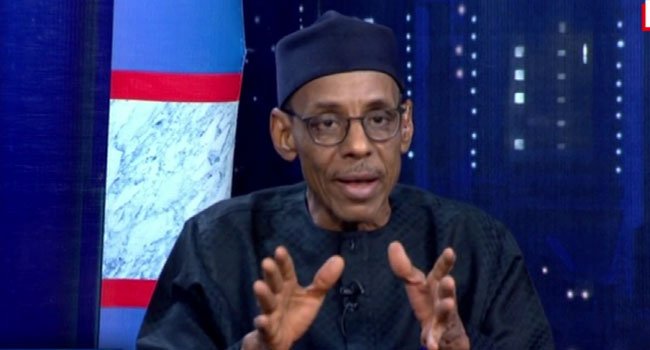
At the Abuja opposition summit, Baba-Ahmed broadened the discussion by questioning the President’s absence from Nigeria.
He also raised concerns about the fact that Vice President Kashim Shettima was reportedly away at the same time, asking who was effectively overseeing the affairs of government during their absence.
Baba-Ahmed went further by alleging that Tinubu’s overseas trip was related to the US records controversy.
That claim has not been independently established and remains an allegation.
The opposition gathering itself was attended by representatives of various political interests, although several prominent figures, including Obi, Atiku Abubakar and Seyi Makinde, were absent.
The renewed focus on the US records comes as Nigeria’s political environment begins to heat up ahead of the 2027 presidential election.
For opposition politicians, the issue has become part of a wider argument about transparency and accountability. For Tinubu’s supporters, however, the matter remains one that should be viewed within the context of the ongoing legal proceedings in the United States.
Whatever the political outcome, the distinction between allegations, civil proceedings and criminal convictions remains important in assessing the controversy.