



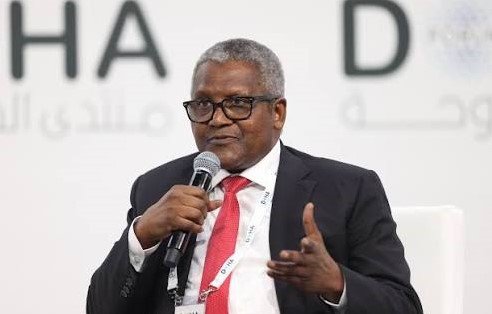
Aliko Dangote has defended plans to build a $16 billion oil refinery in Lamu, Kenya, saying protests and legal challenges will not derail the project.
The Dangote Group president made the remarks after the project’s groundbreaking ceremony, which was attended by Kenyan President William Ruto and other African leaders.
The proposed refinery is designed to process 700,000 barrels of crude oil per day and is expected to be completed in 2030.

Dangote told the BBC’s Focus on Africa that opposition to the project was being driven by local marketers and international players whose businesses could be affected by the refinery.
He also rejected allegations that his company had acquired more land than necessary.
According to Dangote, the company is using the land allocated to it by the Kenyan government.
Residents challenge project
The refinery has attracted opposition from some residents and environmental campaigners.
Residents have raised concerns about land acquisition and compensation, while environmental groups have questioned the possible impact of the development on the Lamu area.
The legal challenge has resulted in a Kenyan court restricting some activities at the site while the land dispute is considered. Reuters reported that the court action could affect site activities even though the groundbreaking ceremony went ahead.
Dangote has maintained that the project will proceed despite the legal challenge.
Major East African energy project
If completed as planned, the refinery would become one of the largest refining facilities in Africa and the biggest proposed refinery project in East Africa.
The facility is expected to produce diesel, petrol and jet fuel for Kenya and other countries in the region.
The wider project also includes plans for a 1,000MW power plant, while Dangote has said the refinery will support additional industrial activities.
Reuters reported that the project is expected to be Kenya’s largest-ever foreign direct investment, while President Ruto said it could significantly contribute to the country’s economy.
Dangote has offered regional governments a combined 30 per cent equity stake in the refinery. Kenya and other governments have expressed interest in participating in the project, according to Reuters.
The project is expected to serve a regional market stretching across East Africa, potentially reducing dependence on imported refined petroleum products.
However, questions over land rights, environmental protection and community concerns remain part of the ongoing dispute.